


Marvel Rivals Thebes Map Guide: Chokepoints, Convoy Routes, and Best Heroes for July 2026
Thebes is a new Marvel Rivals Convoy map built around an escort route through monumental outdoor spaces, tight tomb interiors, layered pyramid structures, and several demanding chokepoints. This strategy guide explains how attackers can preserve momentum, how defenders can trade space without collapsing, which hero tools matter in each section, and how solo players can make better decisions without relying on a fixed six-hero lineup.
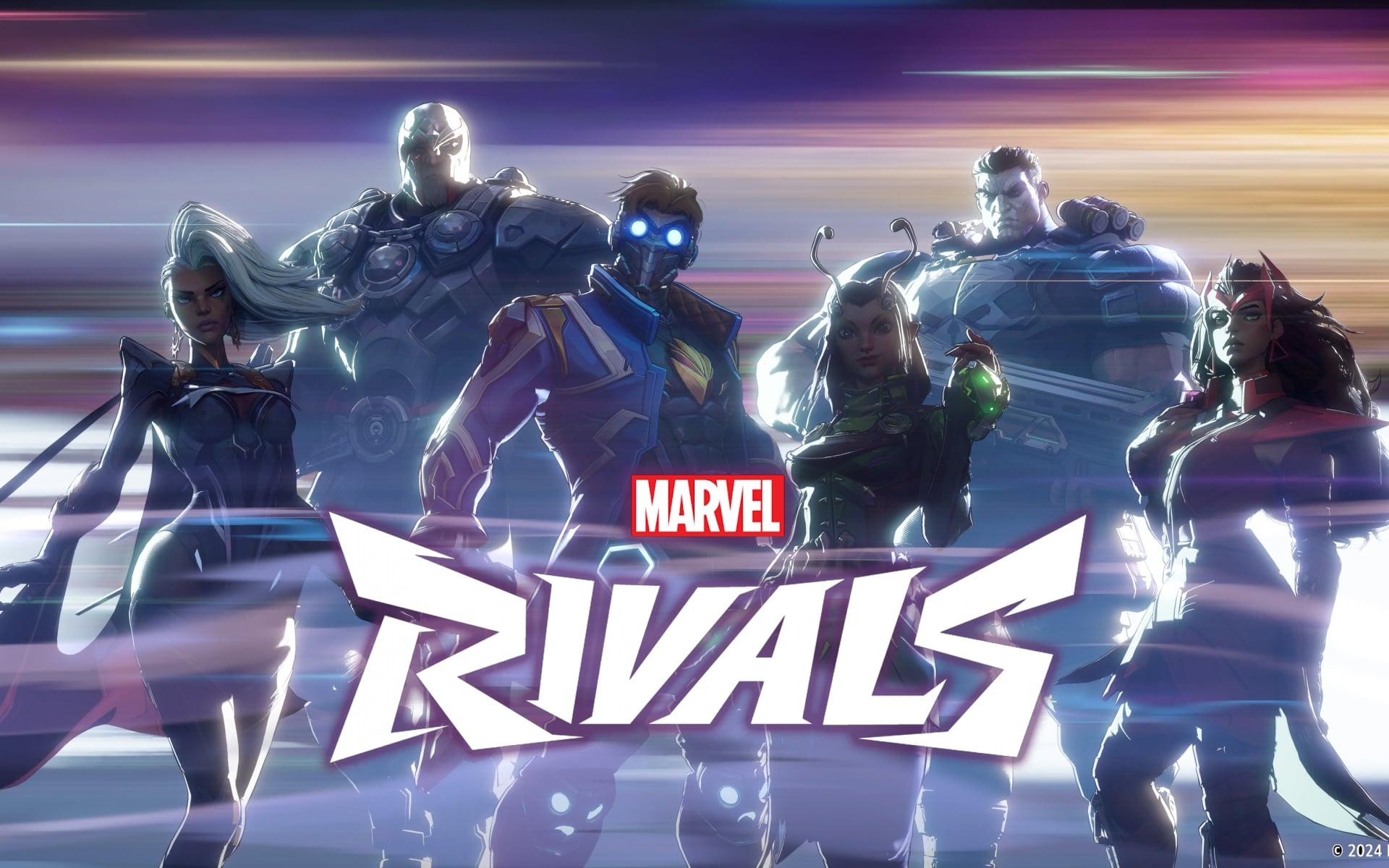
Thebes entered Marvel Rivals as a Convoy battlefield on July 23, 2026. Its setting combines monumental Egyptian architecture with celestial technology, but the visual scale should not distract players from the map's competitive structure. The attacking team escorts the Faith Harvesting Engine toward the Temple of Khonshu, while defenders try to drain the clock across three distinct sections.
The map moves between open sightlines, narrow tomb passages, and tall structures that reward vertical control. That mixture creates a simple strategic rule: a team composition that dominates one section may struggle in the next. Long-range pressure is useful in open approaches, close-range disruption becomes stronger in confined rooms, and mobile heroes gain value whenever high ground or side routes open above the payload.
This guide does not prescribe one permanent lineup. It explains the jobs a team must perform, the mistakes that stop payload progress, and the hero characteristics that fit each phase. Use the current roster and balance values in your client when choosing exact heroes.
Understand the Convoy Win Condition
Convoy is not won by collecting eliminations away from the objective. Attackers need to move the payload, preserve enough time for later sections, and prevent repeated full-team resets. Defenders need to delay progress, force attackers to spend ultimates inefficiently, and retreat before a lost fight becomes a complete stagger.
Attackers should treat each checkpoint as a time bank. Reaching the first checkpoint with several minutes available creates room to solve the harder interior or final approach. Winning early fights while leaving the payload unattended wastes that advantage.
Defenders should treat distance as a resource. Giving up a small amount of space can be correct if it preserves the team for a stronger chokepoint. Dying one at a time beside a lost corner gives attackers payload distance and ultimate charge without creating a meaningful defense.
The most important information is not the elimination feed alone. Track payload position, remaining time, teammate respawns, enemy ultimates, and whether the next defensive position is still reachable.
The Three-Section Planning Model
Thebes can be approached as three tactical problems rather than one long corridor.
Section type | Main attacker goal | Main defender goal | Valuable tools |
|---|---|---|---|
Opening approach | Establish space around the Engine and clear long angles | Force resources before giving ground | Barriers, ranged pressure, mobility |
Tomb and transition | Prevent the escort group from being isolated | Collapse from close angles and deny exits | Area control, sustain, crowd control |
Final temple approach | Coordinate one decisive engagement around the payload | Rotate high ground and stall the last meters | Vertical mobility, burst, defensive ultimates |
The exact geometry should be learned through Quick Match or a custom lobby, but the decision model stays consistent. Before every fight, identify the next safe corner, the strongest enemy angle, and the route your backline will use if pressured.
Attacking the Opening Approach
At the start, attackers need to leave spawn as a connected unit. The first player through a sightline should not be an isolated Strategist. A Vanguard or durable Duelist should reveal the defender's setup, allowing the team to identify ranged threats, deployables, and flank positions.
Do not place all six players directly on the Faith Harvesting Engine. The payload needs presence, but the team also needs control of nearby cover and high ground. Assign enough players to move it while mobile heroes clear side angles and prevent defenders from firing freely into the escort group.
Use barriers and temporary defensive abilities to cross exposed lanes rather than spending every offensive ultimate on the first corner. If defenders retreat without losing players, attackers should move the Engine and take the free space instead of chasing through an unfamiliar route.
When a defender is eliminated, look for a short controlled push. Do not extend so far that the surviving defenders can isolate the payload group. The objective is to convert the advantage into distance and a better staging position.
Defending the First Chokepoint
The first defense should consume time without sacrificing the entire team. Set up crossfire so attackers cannot face every threat from one direction. Ranged heroes can pressure the approach, while a Vanguard controls the route that leads directly to the Engine.
A defender holding high ground should know the retreat path before combat begins. Once attackers gain access to the same elevation, staying too long can turn a useful angle into an unavoidable death. Retreat while support and mobility abilities are still available.
Do not use every team ultimate simply to stop the payload for several seconds. The first checkpoint is only one stage. A layered defense uses one or two major resources, observes the attacker response, and keeps another answer for the next engagement.
If the opening position is lost, call the retreat together. A clean reset at the next corner is more valuable than six separate attempts to touch the objective.
Surviving the Tomb Interior
Tight tomb passages change the value of abilities. Area damage, crowd control, ricochets, deployables, and close-range burst become more dangerous because opponents have fewer escape directions. Teams that entered the map with only long-range pressure may need to switch.
Attackers should clear the nearest side room before stacking on the payload. A hidden Duelist can wait until the escort group passes and then attack the Strategists from behind. Use mobility or reconnaissance abilities to inspect corners without sending the whole team into a trap.
Defenders should avoid standing in one compact group when the enemy has powerful area ultimates. Control multiple connected angles and create a retreat route. The goal is to make attackers turn repeatedly while still keeping friendly line of sight for healing.
Both teams should listen for ultimate voice lines and avoid using narrow corridors as automatic gathering points. A doorway can be a defensive advantage until a large area ability turns it into a team wipe.
Managing Vertical Space
Thebes uses towering structures and elevated positions to create pressure above the normal payload lane. Vertical heroes can access these positions quickly, but elevation is useful only when it contributes to the objective fight.
A Duelist on high ground should create a crossfire, force the enemy backline to move, or secure a target. Remaining far from the team while dealing harmless damage does not justify abandoning the payload area.
Strategists should choose positions with two escape routes whenever possible. A high platform with only one exit can become a trap when an enemy diver arrives. Keep line of sight to the frontline without standing directly behind it.
Vanguards do not always need to chase enemies upward. Sometimes the correct response is to protect the team below, deny the landing area, and allow a mobile teammate to contest the flank.
Hero Roles That Fit Thebes
The best hero depends on the section and team need. Instead of copying a rigid list, select heroes that provide the missing function.
Vanguard Requirements
A useful Vanguard can help the team cross open pressure, occupy a narrow doorway, or disrupt enemies contesting the Engine. Barrier access is valuable on exposed approaches, while displacement and area denial become stronger in tomb passages.
Choose a Vanguard you can survive with. The map does not reward a theoretical counter if the player cannot manage cooldowns or retreat timing.
Duelist Requirements
Duelists should cover at least two jobs across the team: reliable frontline damage, access to high ground, backline pressure, or rapid punishment of an exposed target. A lineup made entirely of slow ground damage can struggle with vertical threats. A lineup made entirely of flankers may fail to finish the enemy frontline.
Switch when the current damage pattern cannot reach the defender's strongest position. The scoreboard may show damage, but payload movement reveals whether that damage is useful.
Strategist Requirements
Strategists need safe sightlines, tools to survive dives, and enough mobility or positioning discipline to move through each transition. Two Strategists standing in the same angle are easy to pressure simultaneously. Use separate but connected positions.
A support ultimate should answer a real engagement. Spending it after half the team has died rarely creates a stable recovery. Communicate whether the team is committing or resetting.
Building a Flexible Team Composition
A balanced starting composition normally needs frontline presence, sustained healing, ranged or midrange pressure, and at least one way to contest vertical space. The sixth slot can solve the problem shown by the enemy.
If attackers cannot cross an open angle, add protection, dive pressure, or a hero who can dislodge the defender. If the team collapses inside the tomb, add area control, close-range durability, or stronger defensive support. If the final approach stalls beneath high ground, add vertical access or an ultimate that forces defenders off the platform.
Do not switch all six heroes after one failed fight. Change the missing function first. Multiple simultaneous switches erase ultimate progress and can leave the new composition without coordination.
Solo players can improve the team by choosing the least represented role rather than demanding an ideal professional composition. A familiar hero performing a necessary job is usually better than an unfamiliar meta pick.
Payload Presence Without Payload Stacking
One of the easiest mistakes is confusing objective play with standing directly on the Engine at all times. The payload requires presence to move, but six players in one location are vulnerable to area damage and lose control of nearby angles.
Assign one or two safe players to maintain movement while the frontline takes the next corner and mobile heroes check flanks. The escort players should not be abandoned; they need cover, healing access, and warning when enemies rotate behind them.
After winning a fight, move the Engine immediately. This is the moment when attackers gain the most uncontested distance. Looting the scoreboard for eliminations or chasing a retreating defender wastes the reward for winning.
Defenders should contest with a plan. A single desperate touch can be useful in overtime, but repeated solo touches before overtime only feed the attacking team. Wait for enough teammates unless the timer makes an immediate contest necessary.
Ultimate Economy Across Checkpoints
Thebes rewards teams that carry useful ultimates into the next section. Attackers should avoid spending four major abilities to win a fight that was already decided. Defenders should avoid using every defensive ultimate after the position has become impossible to hold.
Before engaging, identify the first ultimate and the follow-up. One ability may force movement, while another punishes the new position. Overlapping both at the same instant can waste duration and leave the team without an answer.
Near a checkpoint, attackers may accept a larger investment because the time extension and spawn transition are valuable. Defenders may choose to save resources if the checkpoint is already lost and establish a stronger defense afterward.
Track enemy ultimates through recent use and combat behavior. If a dangerous area ultimate has not appeared for several fights, spread before entering a narrow tomb section.
Solo Queue Communication
Thebes does not require long voice discussions. Short, objective-focused information is enough: enemy on high ground, flanker behind, regroup at next corner, two on payload, or save ultimates.
Ping the threat before chasing it. A teammate may not see the elevated Duelist or hidden side route. Use the objective marker to remind the team when a winning fight is not becoming payload distance.
Avoid blaming teammates during a map that many players are still learning. A useful call identifies the next action. An argument consumes the same attention needed to read the new environment.
When nobody coordinates, make your own decisions predictable. Stay within support range, retreat with the team, and use ultimates while allies can follow.
Learn Thebes Efficiently
Use the temporary map-focused Quick Match option if it is available in the live client. Repeated games make it easier to learn the route, health pack locations, flank entrances, high-ground access, and checkpoint spawn changes.
A custom lobby is useful for geometry study. Walk from attacker spawn to the final objective, then reverse the route as a defender. Identify at least two approaches to every major corner and one retreat route from each elevated position.
Do not judge a hero from one match. New-map results are affected by unfamiliar routes, uneven team knowledge, and experimental compositions. Evaluate whether the hero can perform the required job consistently across several games.
Players purchasing Lattice or other supported content can review Topuplist and use the Marvel Rivals top-up page. Confirm the account, platform, region, product, and order details before payment, and never share a password or one-time security code.
Common Thebes Mistakes
Chasing eliminations while the Faith Harvesting Engine remains unattended.
Holding a lost opening corner until the whole defense is staggered.
Entering tomb passages without checking side rooms.
Stacking the full team in a narrow doorway against area damage.
Taking high ground without a retreat route or objective impact.
Running only ground-based damage into strong vertical pressure.
Using several ultimates after a fight is already won.
Touching the payload alone when there is time to regroup.
Keeping the same composition when the map section changes its demands.
Treating high damage numbers as proof of useful objective pressure.
Final Strategy
Thebes is won through transitions. Attackers must turn eliminations into payload distance and arrive at later sections with time and ultimates. Defenders must trade space intelligently, avoid staggered deaths, and establish each new chokepoint before attackers gain free momentum.
Build the team around functions rather than a permanent tier list. Protect open crossings, clear tomb flanks, contest vertical space, maintain connected healing angles, and keep enough players near the Engine to convert every fight.
The map becomes less overwhelming once its three sections are treated as separate tactical problems. Learn the next corner, the next safe retreat, and the next objective conversion. Those decisions matter more than memorizing one lineup.
FAQ
What type of map is Thebes in Marvel Rivals?
Thebes is a Convoy map. Attackers escort the Faith Harvesting Engine toward the Temple of Khonshu, while defenders attempt to stop progress and drain the clock.
When did the Thebes map launch?
Thebes became available on July 23, 2026. Check the live queue for current Quick Match, Competitive, and map-focused availability.
Which heroes are best on Thebes?
Heroes with barriers or space control, vertical mobility, area denial, reliable healing, and the ability to survive close passages all have useful sections. The best choice depends on the team's missing function and the current stage.
How many sections does the convoy route have?
The route is organized around three distinct sections, each changing sightlines, available elevation, and the value of close-range versus long-range tools.
Should every attacker stand on the payload?
No. Enough players should maintain movement, while others secure nearby corners, high ground, and flank routes. The escort group must remain protected and connected to healing.
How should defenders retreat?
Retreat together before a lost fight becomes a stagger. Preserve mobility, support cooldowns, and ultimates for the next chokepoint whenever the current position can no longer be held.
Is the map-focused Quick Match queue permanent?
Map-focused queues can be temporary. Use the live client to confirm availability and take advantage of it while learning Thebes.