


Marvel Rivals July 16 Patch Notes Explained: Visual Clarity Changes, Hero Fixes, and Season 9 Gameplay Impact
The Marvel Rivals July 16 patch is important because it focuses on visual clarity, hero fixes, gameplay readability, and the broader direction of Season 9. This guide explains what the patch means for casual players, ranked players, hero selection, team fights, and competitive readability.
The Marvel Rivals July 16 patch is the kind of update that may look smaller than a new hero reveal, but it can change how the game feels every single match. Visual clarity adjustments, hero fixes, and gameplay readability improvements directly affect how players aim, react, position, and understand team fights. In a hero shooter where abilities can fill the screen quickly, clarity is not cosmetic. It is competitive infrastructure.
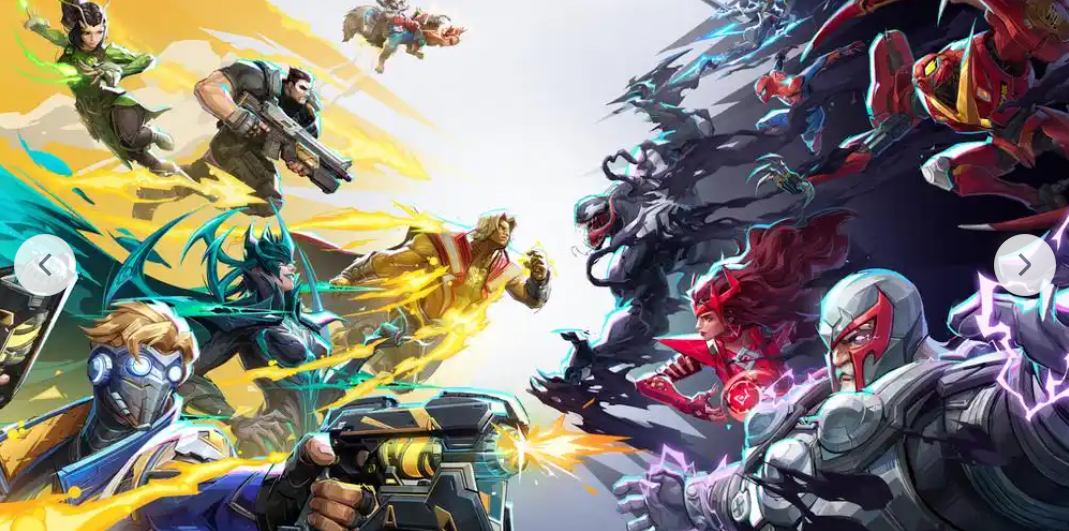
Marvel Rivals depends on spectacle. Players want big ultimates, dramatic hero abilities, comic-book impact, and chaotic team fights. But spectacle becomes a problem when players cannot read what is happening. If a player cannot see projectiles, identify danger zones, track enemies, or understand which ability killed them, the match begins to feel unfair. That is why the July 16 patch matters.
This guide explains the patch from a practical player perspective. It covers visual clarity, hero fixes, competitive impact, ranked implications, casual play, team fight readability, and how players should adapt during Season 9. The goal is to explain why this update matters beyond a simple patch note summary.
If you plan to prepare for Marvel Rivals cosmetics, bundles, or future premium content, you can visit Topuplist or use the direct Marvel Rivals top-up page. A patch that changes how the game feels is also a good time to review your favorite heroes before spending on cosmetics.
Why the July 16 Patch Matters
The July 16 patch matters because it targets the relationship between spectacle and readability. Marvel Rivals is built around powerful heroes, bright effects, movement abilities, shields, summons, projectiles, and ultimates. When too many visual effects overlap, even experienced players can lose track of the fight.
A patch that improves clarity can raise the quality of every match. Players make better decisions when they can see what is happening. Supports survive longer when danger zones are clearer. Duelists choose better angles when enemy abilities are easier to track. Vanguards can protect teams more effectively when incoming pressure is readable.
This is why visual clarity changes can matter as much as balance numbers. A hero does not need a damage nerf to feel less oppressive if the ability becomes easier to read and counter.
Visual Clarity Changes Explained
Visual clarity changes usually involve reducing excessive brightness, adjusting effects, improving contrast, changing ability indicators, or making overlapping combat elements easier to distinguish. In Marvel Rivals, this is especially important because multiple heroes can use large effects at the same time.
The best clarity updates do not make the game less stylish. They make style easier to understand. A good ability effect should look powerful, but it should also communicate information quickly. Players should know where danger begins, where it ends, and whether they can react.
If the July 16 patch reduces ability VFX intensity or improves battlefield readability, the biggest winners are players who rely on fast decision-making. Ranked players, support mains, and heroes who must position carefully benefit the most.
Hero Fixes and Gameplay Reliability
Hero fixes are important because consistency builds trust. When a hero ability behaves unpredictably, players lose confidence in both the hero and the match. Fixes may address bugs, hit registration, ability interactions, animation issues, cooldown behavior, or unintended outcomes.
Even small hero fixes can change pick confidence. If a hero previously felt unreliable because an ability failed in certain situations, a fix can increase their use rate. If an annoying bug made a hero stronger than intended, correcting it can reduce frustration.
Players should not ignore fixes simply because they are not balance buffs or nerfs. Reliability changes can reshape how comfortable a hero feels.
Season 9 Gameplay Impact
Season 9 is shaped not only by hero numbers but by match readability. If the July 16 patch makes fights easier to understand, players may become more willing to play aggressive heroes, supports may survive longer, and teams may coordinate better.
Clearer fights can also reduce random-feeling deaths. When players understand why they died, they can improve. When deaths feel visually confusing, frustration rises. That is why clarity updates can improve long-term retention.
Season 9 may also see shifts in hero perception. Some heroes feel oppressive because their abilities are hard to read. Others feel weak because their contributions are visually lost in chaos. Clarity changes can reveal the real strength of both groups.
Competitive Implications
Competitive players need information. They need to know which ultimates are active, where threats are coming from, and when space is safe. Visual clutter makes that harder. A clarity patch can therefore improve competitive integrity.
In ranked play, small readability improvements can affect positioning decisions. A support who sees danger earlier can escape. A tank who reads pressure more clearly can shield at the right time. A damage hero who tracks enemy movement better can finish kills more consistently.
This does not mean the patch makes the game easier. It means the game becomes fairer. Skill should come from decision-making and execution, not from guessing through visual noise.
Casual Player Impact
Casual players also benefit. New players often struggle most when a hero shooter becomes visually overwhelming. If the battlefield is easier to read, new players can learn faster. They can connect cause and effect: this ability hit me, that ultimate created danger, this position was unsafe.
A clearer game is also more fun to watch. Marvel Rivals has strong streaming and clip potential, but clips are better when viewers can understand what happened. Visual clarity helps both players and spectators.
Heroes Most Affected by Clarity
The heroes most affected are those with large area effects, bright projectiles, summons, shields, or ultimates that overlap with teammates. Any hero whose value depends on controlling space may feel different after clarity adjustments.
Support heroes may indirectly benefit because they need to read fights while healing, repositioning, and avoiding pressure. Duelists may benefit because clearer enemy silhouettes and ability zones help with target selection. Vanguards may benefit because they can better understand where to hold space.
What Players Should Do After the Patch
Players should play several matches before judging the patch. Visual changes can feel strange at first because players are used to old effects. Give your eyes time to adjust. Then review whether you can track fights better, survive longer, or understand deaths more clearly.
Try your main heroes first, then try heroes you previously avoided because the battlefield felt too chaotic. You may find that some heroes feel better when visual noise is reduced.
Ranked Adjustment Tips
In ranked, use the patch as a chance to tighten fundamentals. Do not rely on enemies being confused by visual clutter. Use cover, track cooldowns, and communicate ability usage. If the game is clearer, mistakes become more obvious.
Supports should focus on safer angles. Duelists should use cleaner sightlines. Vanguards should watch how enemy pressure appears after VFX changes. Teams should review whether old callouts still work.
Patch Notes vs Real Match Impact
Patch notes tell players what changed, but matches reveal what matters. A small line in patch notes can have a large gameplay effect if it changes a key interaction. A long list of minor fixes may barely affect the meta if they involve rare situations.
The best way to evaluate the July 16 patch is to combine reading and playing. Understand the listed changes, then test them in real matches. Pay attention to deaths, survivability, and team fight readability.
Common Misreadings of the Patch
The first mistake is assuming visual clarity changes are nerfs. They may reduce confusion, but that does not always reduce hero power. The second mistake is assuming fixes are irrelevant. A fixed ability can change a hero's reliability. The third mistake is judging the patch after one match.
Players should also avoid turning every change into drama. Some patches are about stability and readability, not massive meta shifts.
Long-Term Direction
The July 16 patch suggests that Marvel Rivals is paying attention to how the game feels, not only who wins. That is important for the future. Hero shooters need constant tuning because new heroes, maps, and effects can slowly increase visual complexity.
If visual clarity remains a priority, Marvel Rivals can keep its comic-book spectacle while becoming easier to read competitively. That balance is essential.
Final Verdict
The July 16 patch is important because it improves the foundation of play. Visual clarity, hero fixes, and readability changes may not sound as exciting as new content, but they make every fight more understandable. For Season 9, that can mean better ranked matches, less frustration, and more reliable hero performance.
How to Test the Patch Properly
Players should test the July 16 patch with intention. Play your main hero for several matches and focus on one question at a time. Can you see enemy abilities earlier? Can you understand deaths more clearly? Do team fights feel less visually crowded? Then test a hero you normally avoid. If that hero now feels easier to follow, the clarity update is doing its job.
Do not judge the patch only by wins and losses. Matchmaking, teammates, and enemy skill can distort first impressions. Instead, judge whether decision-making feels more informed. A clarity patch succeeds when players can connect action and consequence more easily.
Support Player Perspective
Supports benefit heavily from readability because they must process the entire fight while also staying alive. If visual clutter drops, supports can identify divers earlier, choose safer healing angles, and avoid ultimates more reliably. That can change the feel of the role even when no support numbers change.
Support players should use the patch to rebuild positioning habits. Stand where you can see teammates and threats. Use clearer effects to call danger sooner. If fights become easier to read, supports can become more proactive instead of only reacting after damage lands.
Damage and Vanguard Perspective
Damage heroes can benefit from cleaner silhouettes and less chaotic ability overlap. Better readability improves target tracking and reduces wasted shots. Vanguards benefit because they can judge incoming pressure and space control more accurately. A tank who sees danger clearly can decide whether to hold, retreat, or commit. These are small changes, but they shape every fight.
How the Patch Changes Replay Review
One underrated effect of the July 16 patch is how much easier it can make replay review. In a visually crowded match, players often watch a death back and still fail to understand what happened. Cleaner ability effects make review more useful. You can see whether you stood too close to an area effect, missed an incoming projectile, used movement too late, or ignored an enemy angle.
This matters for improvement because players need clear cause and effect. If a death looks random, the player learns very little. If the same death becomes readable, the player can adjust. Maybe the mistake was holding a corner after the enemy ultimate started. Maybe the mistake was crossing an open lane without defensive cooldowns. Maybe the mistake was focusing on a low-health target while a larger threat entered from the side. Better clarity turns frustration into usable feedback.
Teams can also benefit. A squad reviewing a fight can identify whether communication failed, whether the frontline backed up too late, or whether supports were blocked by too many visual effects. The patch is therefore not only about the live match. It also improves the learning process after the match ends.
What to Watch During Season 9
Players should watch three things during Season 9: hero reliability, ability visibility, and fight pacing. Hero reliability shows whether fixes make certain picks more consistent. Ability visibility shows whether players can identify danger quickly enough. Fight pacing shows whether reduced visual clutter changes when teams choose to engage or disengage.
If the patch succeeds, Marvel Rivals should feel less random without feeling slower. Team fights should still look explosive, but players should better understand why one side won. Ranked losses may still feel painful, but they should feel easier to diagnose. That is the real value of a clarity-focused patch.
Players should also watch community perception after the first reaction wave. Initial opinions can be noisy because everyone is testing changes at once. A better judgment comes after players return to their normal hero pools and ranked habits. If the game still feels clearer after that adjustment period, the July 16 patch will have done meaningful work for Season 9.
Hero Pool Decisions After the Patch
The July 16 patch is also a good moment to review your hero pool. Some players avoid certain heroes not because the hero is weak, but because the screen becomes too hard to read when that hero is active. If cleaner VFX makes a hero easier to follow, that hero may become more practical for your account even without a numerical buff.
Start with your most played role. If you play Strategist, test whether you can track flankers, healing lines, and ultimate danger more comfortably. If you play Duelist, test whether your target selection improves during heavy team fights. If you play Vanguard, test whether you can read enemy pressure before your position collapses. These are practical tests, not theorycrafting exercises.
The patch may also change which heroes feel good for content creation, streaming, and clip review. A hero who produces exciting plays but creates unreadable footage can be harder to teach or showcase. Cleaner visual effects make highlights easier to understand, which helps both viewers and creators. This matters because Marvel Rivals has strong social potential. A readable highlight travels farther than a clip where viewers cannot tell what happened.
Players should not expand their hero pool too quickly, though. Add one hero at a time, then compare performance over several matches. If the hero feels better because of clearer visuals, keep practicing. If the hero still feels uncomfortable, the problem may be mechanics, matchup knowledge, or role preference rather than the patch itself.
Small Fixes Can Become Big Habits
Small patches often matter because they change habits slowly. If a visual cue is easier to notice, players may start rotating earlier. If a fixed ability behaves more consistently, players may trust a hero in ranked again. These changes do not always create dramatic day-one headlines, but they can reshape comfort over a full season.
FAQ
What is the Marvel Rivals July 16 patch about?
The patch focuses on visual clarity, hero fixes, gameplay readability, and Season 9 match experience.
Why does visual clarity matter in Marvel Rivals?
Visual clarity helps players understand threats, track abilities, react to danger, and make fair decisions during chaotic team fights.
Did the patch change the meta?
It may affect the meta indirectly by making certain abilities easier to read and certain heroes more reliable.
Are hero fixes important?
Yes. Fixes can improve consistency and change how comfortable a hero feels in real matches.
Should ranked players change their strategy?
Ranked players should review positioning, cooldown tracking, and hero comfort after the patch.
Is this patch good for casual players?
Yes. Better clarity helps casual and new players understand fights more easily.