


Marvel Rivals Visual Clarity Update: Why NetEase Is Reducing Ability VFX and What It Means for Competitive Play
Marvel Rivals is reducing ability VFX intensity to improve battlefield clarity and competitive readability. This article explains why visual clutter matters in a hero shooter, how clearer effects can improve ranked play, which players benefit most, and why this update matters for the long-term health of the game.
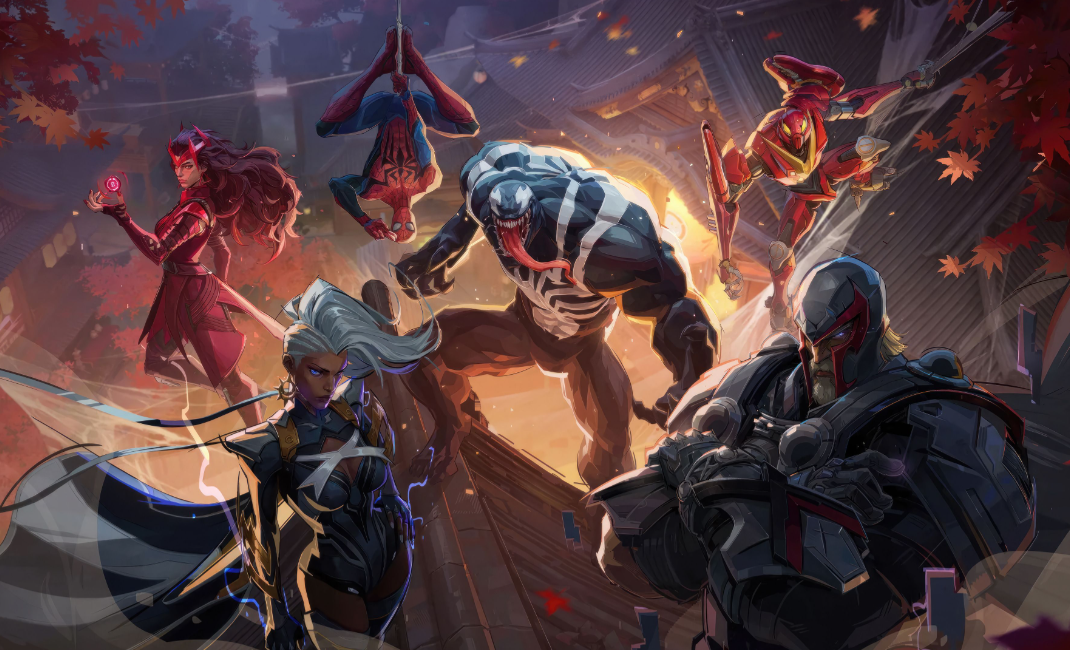
Marvel Rivals is a game built on visual impact. Every hero is designed to feel powerful, colorful, dramatic, and instantly recognizable. That comic-book spectacle is one of the game's biggest strengths. But in a hero shooter, spectacle can become a problem when players cannot read the battlefield. That is why the visual clarity update matters.
Reducing ability VFX is not about making Marvel Rivals less exciting. It is about making the excitement playable. A hero ability can look impressive while still being clear. An ultimate can feel dramatic while still giving opponents enough information to react. A team fight can be chaotic without becoming unreadable. That is the balance every hero shooter must find.
This guide explains why NetEase's visual clarity direction is important for Marvel Rivals, what ability VFX reduction means in practice, how it affects competitive play, and why players should see this as a long-term health update rather than a simple graphics change.
If you are investing in Marvel Rivals cosmetics or preparing for future premium content, consider planning through Topuplist or the direct Marvel Rivals top-up page. Visual clarity updates can change which heroes feel best to play, so it is worth testing your favorites before buying new cosmetics.
What Visual Clarity Means
Visual clarity means the player can understand what is happening quickly. In a hero shooter, that includes enemy silhouettes, projectiles, area effects, ultimate indicators, shields, summons, movement trails, healing effects, and environmental hazards. If these elements overlap too heavily, players lose the ability to make informed decisions.
Marvel Rivals has a special challenge because its heroes are meant to feel larger than life. Characters like Doctor Strange, Scarlet Witch, Iron Man, Storm, Magneto, and other visually expressive heroes naturally bring large effects to the screen. The game needs that identity, but it also needs players to understand danger.
Good clarity does not remove style. It organizes style.
Why Ability VFX Can Become a Problem
Ability VFX becomes a problem when it hides information. If a bright effect covers an enemy outline, the player cannot aim properly. If several abilities overlap and all use similar colors or brightness, players cannot tell which danger matters most. If an ultimate is visually spectacular but unclear, deaths can feel random.
This problem becomes worse at higher skill levels. Competitive players process information quickly. They need to identify threats, track cooldowns, and choose positions in seconds. Visual clutter slows that process and can make results feel less skill-based.
It also affects new players. A new player who cannot understand why they died will not learn. They may simply feel overwhelmed and leave.
Why Reducing VFX Is Not a Nerf
Some players may interpret reduced VFX as a nerf to heroes with flashy abilities. That is not always true. A visual effect can become less overwhelming without the ability losing damage, range, cooldown, or utility. The hero may remain just as strong, but the opponent can understand the interaction better.
This distinction matters. Balance changes adjust power. Clarity changes adjust readability. Sometimes readability indirectly affects power because enemies react better, but that is not the same as a direct numerical nerf.
A fair ability should be strong because it is well-used, not because the enemy cannot see what is happening.
Competitive Play Benefits
Competitive play benefits most from clarity because high-level matches are decided by small decisions. A support choosing the right escape path, a duelist tracking a target through effects, or a tank recognizing an incoming ultimate can change the fight.
When VFX is clearer, players can trust their reactions. They know what hit them. They know which zone to avoid. They know whether a push is safe. This creates a healthier competitive environment.
Clearer visuals also make coaching and review easier. Players can watch replays or clips and identify mistakes instead of blaming the screen.
Spectator and Esports Value
Visual clarity is not only for players. It matters for spectators. A game can be exciting to play but difficult to watch if viewers cannot understand team fights. For Marvel Rivals to grow as a competitive title, viewers need to follow the action.
Reducing excessive ability VFX can make streams, tournaments, and highlight clips more understandable. Viewers should be able to identify who made the play, which ultimate mattered, and why a team won the fight.
This is especially important for new audiences. If a viewer sees only a screen full of effects, they may enjoy the spectacle briefly but struggle to become a long-term fan.
Heroes Most Affected
The heroes most affected by visual clarity updates are usually those with large area abilities, bright projectiles, persistent effects, or ultimates that fill space. These heroes may feel different after VFX changes even if their numbers are unchanged.
Supports may benefit because they can see threats more clearly while healing. Duelists may benefit because targets are easier to track. Vanguards may benefit because they can judge space more accurately. Heroes whose abilities rely on confusion may feel less oppressive.
This can create subtle meta shifts without formal buffs or nerfs.
Player Adaptation Tips
Players should spend time adjusting after the update. Visual habits are real. If you played dozens of hours under the old effects, the new visuals may feel strange at first. Give yourself time before deciding whether a hero feels better or worse.
Test your main hero in quick play, then ranked. Watch whether you survive more often, aim more consistently, or understand team fights better. Also test heroes you previously avoided because the screen felt too busy.
How Teams Should Adapt
Teams should update callouts. If effects are clearer, players can call danger more precisely. Instead of shouting that the screen is messy, players can identify which ability is active and where teammates should move.
Supports should use the clarity update to improve positioning. Tanks should use it to read pressure. Damage players should use it to track enemy movement. A visual update becomes valuable only when players convert readability into better decisions.
Clarity vs Visual Identity
The difficult design challenge is preserving Marvel identity. Players do not want bland effects. They want heroes to feel powerful. The goal is not to make every ability small or dull. The goal is to make each ability readable.
A good Marvel Rivals effect should answer three questions quickly: what is happening, where is the danger, and how should I respond? If it does that while still looking stylish, the game wins.
Long-Term Health of Marvel Rivals
Hero shooters tend to accumulate visual complexity over time. Every new hero adds effects. Every new map adds environmental detail. Every new skin can change readability. Without regular clarity updates, the game slowly becomes harder to parse.
That is why this update is important beyond the current patch. It signals that readability is part of the game's long-term maintenance. A healthy hero shooter needs constant attention to what players can actually see.
Final Verdict
The Marvel Rivals visual clarity update is a positive step for competitive play, casual learning, and spectator understanding. Reducing ability VFX does not make the game less Marvel. It makes the Marvel spectacle easier to play, easier to read, and easier to enjoy.
Accessibility and Player Comfort
Visual clarity is also an accessibility issue. Some players are more sensitive to brightness, flashing effects, or dense visual overlap. Reducing unnecessary VFX intensity can make longer sessions more comfortable. A game does not lose depth when it becomes easier to look at. It often gains more players.
Comfort matters for competitive consistency. Eye strain and visual fatigue can lower reaction quality over time. If the battlefield is easier to parse, players can focus on decisions instead of fighting the screen. That is valuable for casual players, ranked grinders, and viewers alike.
How Clarity Helps Balance Discussion
Cleaner visuals can improve balance debate. When players can see interactions clearly, feedback becomes more specific. Instead of saying a fight felt like random chaos, players can identify which ability was too large, too bright, too fast, or too hard to distinguish. Better feedback helps developers tune the game more accurately.
This is why clarity and balance are connected. A hero may feel overpowered because the counterplay is hidden under effects. Once the visuals are clear, developers and players can better judge whether the problem is actual power or poor readability.
The Difference Between Spectacle and Noise
Marvel Rivals should look spectacular. That is part of the appeal. Players choose Marvel heroes because they want abilities to feel dramatic, recognizable, and powerful. The problem begins when spectacle stops communicating useful information. A bright explosion can be exciting. A bright explosion that hides three enemy silhouettes, two projectiles, and the edge of a danger zone becomes noise.
Good visual design does not remove spectacle. It gives spectacle structure. The most important effect should read first. Secondary effects should support the scene without drowning it. Friendly and enemy abilities should be distinguishable. Ultimate effects should be dramatic, but their threat area should still be understandable. When this hierarchy works, the match can remain stylish while giving players a fair chance to react.
This distinction is especially important for competitive players. A ranked player can accept losing to a well-timed ultimate or a coordinated dive. It feels much worse to lose because the screen became unreadable. Visual clarity protects the emotional fairness of the match. Even when the player loses, they can understand what happened.
Role-by-Role Impact
Vanguards benefit from clarity because they live in the busiest part of the fight. They need to know where pressure is coming from, whether their backline is safe, and whether an enemy ultimate is about to break their position. If ability VFX is too intense, a Vanguard may hold too long or retreat too late. Cleaner visuals help them judge space with more confidence.
Duelists benefit because target tracking becomes more reliable. In a hero shooter, missing a few shots because an effect covers the target can change an entire fight. Clearer silhouettes and less overlapping brightness help duelists choose targets, confirm damage, and avoid chasing into bad positions.
Strategists benefit because they process more information than almost anyone else. They watch allies, enemies, cooldowns, health bars, escape paths, and incoming threats at the same time. Reducing unnecessary VFX pressure gives Strategists more room to make smart choices instead of reacting late.
How Players Should Adjust Their Settings and Habits
Players should use a clarity patch as a reason to review their own setup. Check brightness, contrast, motion settings, reticle color, and display comfort. A developer-side VFX reduction helps, but player-side settings still matter. If your screen is too bright or your reticle blends into common ability colors, you may not get the full benefit.
Habits matter too. Some players learned to aim around old visual clutter or avoid certain heroes because team fights felt too messy. After the update, it is worth revisiting those habits. Practice tracking targets through common ability combinations. Test whether you can read enemy ultimates faster. Notice whether certain maps feel less exhausting.
The goal is not to create a perfect visual environment. The goal is to remove enough friction that decisions feel more connected to skill. If you can see earlier, call danger sooner, and understand deaths more clearly, the update is working.
Why This Matters for Long-Term Competitive Trust
Competitive trust is fragile. Players need to believe that their inputs, decisions, and awareness matter. When visual clutter becomes too heavy, that trust weakens. Players start to feel that fights are decided by effects rather than skill. Over time, that feeling can damage ranked motivation.
By reducing excessive ability VFX, NetEase sends an important signal: readability is part of balance. A hero shooter can have beautiful effects and still be serious about competitive integrity. That signal matters for high-rank players, tournament viewers, content creators, and new players deciding whether to commit long term.
The update also gives the developers a stronger foundation for future heroes. Every new hero will add more visual information to the battlefield. If the baseline is already too busy, future content becomes harder to support. If the baseline is clean, the game has more room to grow without overwhelming players.
Cosmetic Design and Readability
Visual clarity also affects cosmetic design. Skins and premium effects should feel desirable, but they should not make a hero harder to read or harder to fight fairly. Competitive games need cosmetic rules that protect silhouettes, ability colors, and threat indicators. Otherwise, players may worry that cosmetic differences affect gameplay comfort.
This does not mean cosmetics must be plain. It means they should respect the same visual language as the base game. A great skin can change style, texture, and personality while keeping important gameplay information clear. For a live-service game, that balance is valuable because players want to buy cosmetics without creating fairness concerns.
For Marvel Rivals, this is a major opportunity. If NetEase keeps readability in mind while designing future cosmetics, the game can support strong monetization and strong competitive trust at the same time.
Map Readability Matters Too
Ability VFX is only one part of clarity. Maps also affect whether players can read fights. A bright ability on a dark background may be easy to see, while the same effect in a visually busy room may become confusing. Choke points, destructible spaces, vertical angles, and environmental lighting all change how readable a fight feels.
This means future clarity work should consider maps and abilities together. If a certain objective area always becomes unreadable during ultimates, the issue may not be one hero alone. It may be the combination of map geometry, lighting, team effects, and camera angle. Competitive players notice these details quickly because the same spaces decide matches repeatedly.
For players, the practical advice is to learn which areas are visually dangerous. If a room becomes chaotic during heavy ability use, avoid taking fights there without cooldowns or escape routes. Clear visuals help, but smart positioning still matters.
The Best Outcome
The best outcome is simple: players should still feel the power of Marvel heroes, but they should spend less time guessing. When a game is easier to read, wins feel more earned and losses feel more teachable.
FAQ
Why is Marvel Rivals reducing ability VFX?
The goal is to improve battlefield readability, reduce visual clutter, and help players understand team fights more clearly.
Does reducing VFX nerf heroes?
Not necessarily. VFX changes usually affect readability, not damage, cooldowns, or core ability power.
Who benefits most from visual clarity updates?
Ranked players, supports, new players, and spectators all benefit because fights become easier to understand.
Will Marvel Rivals look less exciting?
It should not. The goal is to keep abilities stylish while making them easier to read.
Can visual clarity change the meta?
Yes, indirectly. Heroes whose abilities were hard to read may feel less oppressive, while precise players may perform better.
Should players retest their main heroes?
Yes. Visual updates can change how comfortable a hero feels even without numerical balance changes.