

Genshin Impact Model Karakter Dulu vs Sekarang: Bagaimana Desain Berevolusi dari Versi 1.0 hingga 7.0
Model karakter Genshin Impact telah mengalami banyak perubahan antara Versi 1.0 dan era Snezhnaya pada Versi 7.0. Karakter-karakter terbaru menggunakan lapisan rambut yang lebih halus, visibilitas wajah yang lebih baik, material kain yang lebih meyakinkan, serta proporsi tubuh yang lebih seimbang. Peningkatan teknis dan artistik ini memungkinkan model dalam game modern mereproduksi ilustrasi karakter dengan lebih akurat, meskipun sebagian pemain masih menyukai tampilan anime yang lebih sederhana dan bergaya dari jajaran karakter awal.
Sejak dirilisnya Genshin Impact Versi 7.0 dan dibukanya Snezhnaya, banyak pemain menyadari peningkatan lain yang terlihat jelas pada Kualitas model karakter.
Perbedaannya terutama terlihat jelas saat karakter terbaru ditempatkan di samping karakter yang dirilis pada Mondstadt, Liyue, atau awal Inazuma. Keduanya mungkin menggunakan sistem tipe tubuh umum yang sama, tetapi model yang lebih baru sering kali memiliki detail rambut yang lebih rinci, rendering material yang lebih lembut, siluet yang lebih tegas, serta fitur wajah yang tetap terlihat jelas dari lebih banyak sudut kamera.
Perubahan ini tidak hadir dalam satu perombakan grafis besar. HoYoverse secara bertahap menyempurnakan pipeline produksi karakternya selama beberapa tahun, sehingga setiap Wilayah baru dapat memperkenalkan desain yang lebih kompleks tanpa meninggalkan gaya anime khas Genshin Impact.
Artikel ini membahas empat peningkatan yang paling terlihat antara Versi 1.0 dan Versi 7.0:
Poni transparan dan semi-transparan
Detail rambut yang lebih tinggi dan gerakan yang lebih baik
Stocking dan material kain yang lebih meyakinkan
Proporsi kepala dan tubuh yang lebih seimbang
Pemain yang sedang bersiap mendapatkan karakter baru dapat mengunjungi Topuplist atau menggunakan halaman top-up Genshin Impact saat membutuhkan Genesis Crystals untuk banner mendatang.
 Genshin Impact
Genshin Impact Peningkatan Model secara Singkat
Fitur model | Karakter terdahulu | Karakter era Versi 7.0 yang lebih baru |
|---|---|---|
Poni dan visibilitas wajah | Rambut sering kali menutupi mata atau alis sepenuhnya | Helai semi-transparan tetap memperlihatkan ekspresi wajah |
Struktur rambut | Bagian padat yang lebih besar dengan layering terbatas | Helai yang lebih halus, lapisan terpisah, dan gerakan yang lebih alami |
Rendering kain | Material dapat terlihat datar atau seperti dilukis langsung pada tubuh | Transparansi, tekstur, highlight, dan respons permukaan yang lebih baik |
Proporsi tubuh | Kepala lebih besar dan tubuh lebih ramping | Siluet yang lebih seimbang dan proporsi dewasa yang lebih kuat |
Akurasi ilustrasi | Beberapa detail disederhanakan untuk model 3D | Kemiripan yang lebih tinggi antara splash art dan tampilan dalam game |
1. Poni Transparan Membuat Wajah Lebih Ekspresif
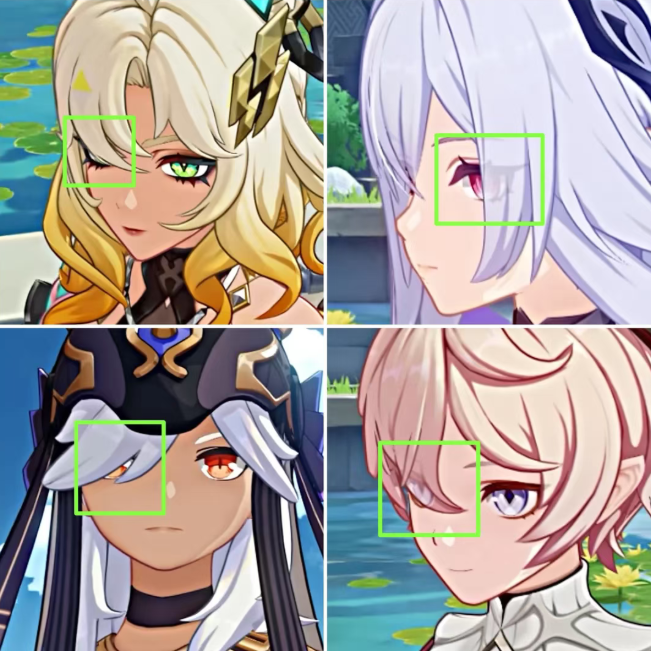
Rambut adalah salah satu bagian paling jelas yang menunjukkan peningkatan pada model karakter Genshin Impact.
Salah satu perubahan terpenting adalah penggunaan poni transparan atau semi-transparan. Skirk sering dibahas sebagai salah satu contoh awal yang menonjol, ketika mata karakter tetap terlihat jelas meskipun ada helai rambut yang melintas di depan wajah.
Pendekatan ini semakin umum digunakan pada karakter-karakter baru dan kostum alternatif. Bergantung pada gaya rambutnya, pemain mungkin masih dapat melihat mata, alis, dan ekspresi bagian atas wajah melalui poni.
Banyak model karakter awal Genshin Impact menggunakan bagian rambut yang sepenuhnya opak. Jika poni menutupi sebagian wajah, mata dan alis di baliknya akan menghilang begitu saja. Hal ini konsisten dengan gaya rendering yang terinspirasi anime pada awal game, tetapi dapat membuat wajah terlihat lebih datar atau kurang ekspresif dari sudut tertentu.
Poni semi-transparan mengatasi masalah tersebut tanpa perlu mendesain ulang gaya rambut. Karakter tetap dapat mempertahankan poni dramatis, sementara fitur wajah yang paling penting tetap terlihat.
Hal ini penting bukan hanya untuk tangkapan layar jarak dekat. Genshin Impact banyak menggunakan animasi wajah selama Quest, demo karakter, animasi idle, dan tampilan profil. Mempertahankan visibilitas mata dan alis membuat ekspresi halus lebih mudah dibaca serta membantu model terasa lebih hidup.
Dari sudut pandang teknis, efeknya relatif kecil, tetapi perbedaan visualnya sangat besar saat karakter awal dan modern dibandingkan secara langsung.
2. Geometri, Pelapisan, dan Gerakan Rambut Telah Ditingkatkan
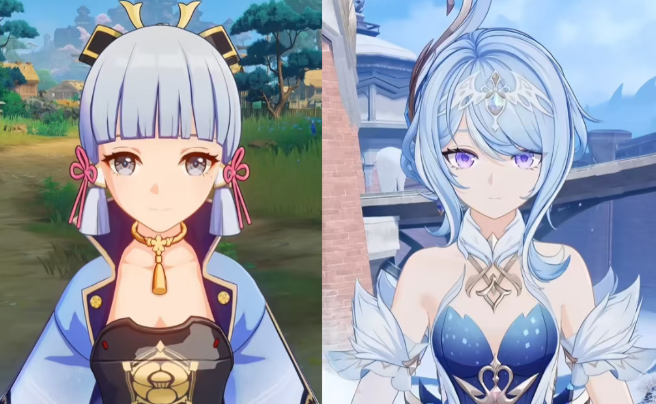
Transparansi hanyalah salah satu bagian dari perubahan ini. Karakter modern Genshin Impact juga memiliki struktur rambut yang lebih detail.
Model awal sering membagi gaya rambut menjadi beberapa bagian besar. Poni dapat terlihat seperti satu bagian padat, sementara rambut panjang terkadang bergerak sebagai satu blok. Gaya rambut asli Kamisato Ayaka sering dijadikan contoh pendekatan lama oleh pemain karena poninya yang tebal dan tampak kaku.
Desain-desain ini tidak selalu buruk. Desain tersebut efisien, mudah dibaca, dan sesuai dengan target rendering awal Genshin Impact. Namun, jika dibandingkan dengan karakter yang lebih baru, tiap bagiannya dapat terlihat lebih tebal dan kurang fleksibel.
Karakter yang dirilis pada pembaruan Natlan yang lebih baru dan era Snezhnaya menunjukkan beberapa peningkatan yang terlihat jelas:
Detail helai rambut yang lebih banyak
Lapisan tambahan di sekitar wajah
Pemisahan yang lebih baik antara poni dan rambut samping
Ujung yang lebih lembut dan siluet yang lebih tipis
Gerakan yang lebih banyak saat menyerang, berlari, dan melakukan animasi idle
Berkurangnya tampilan blok rambut besar yang padat
Alih-alih memperlakukan poni depan sebagai satu objek kaku, gaya rambut baru lebih mungkin menggunakan beberapa bagian yang saling bertumpuk. Hal ini menciptakan siluet yang lebih ringan dan memungkinkan rambut bereaksi lebih alami saat karakter bergerak.
Desain era Snezhnaya membawa penyempurnaan ini lebih jauh. Rambut dapat terlihat lebih lembut, lebih berlapis, dan tidak terlalu berat secara visual, bahkan saat karakter memiliki gaya rambut yang kompleks atau aksesori panjang.
Peningkatan ini terutama terlihat saat bergerak. Berlari, berbalik, menyerang, dan menggunakan Elemental Burst membuat rambut bergeser dalam bagian-bagian yang lebih kecil, alih-alih bergerak seperti satu objek besar.
Gerakan rambut yang lebih baik juga membantu membedakan karakter yang memiliki tipe tubuh dasar sama. Meskipun dua karakter menggunakan proporsi animasi yang serupa, siluet dan gerakan mereka dapat terasa lebih khas berkat perbedaan layering dan fisika rambut.
3. Bahan Stoking dan Kain Terlihat Lebih Meyakinkan
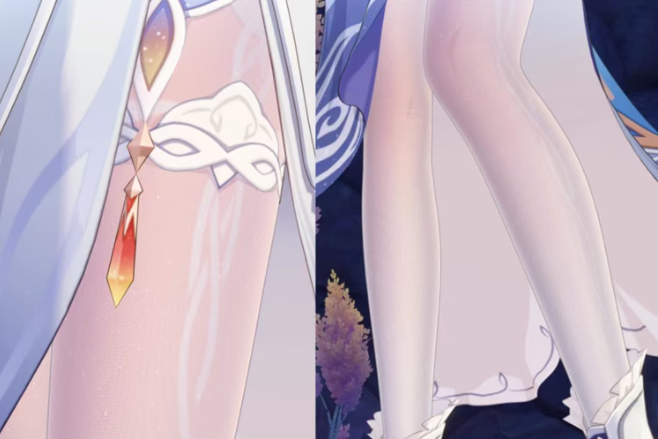
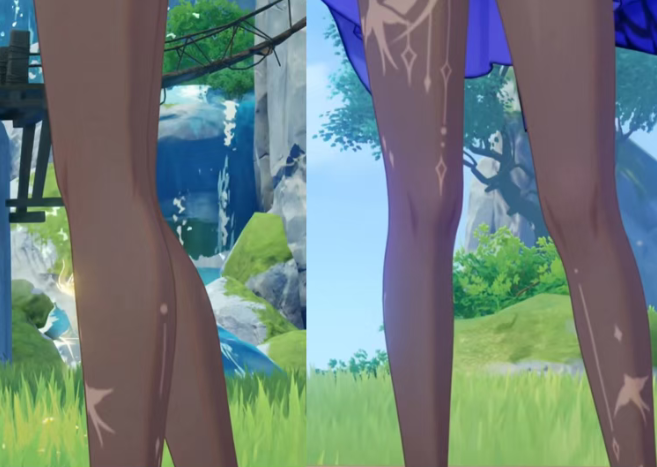
Peningkatan ini tidak terbatas pada rambut. Material pakaian juga menjadi lebih detail, terutama stocking, kain tipis, hiasan logam, dan tekstil berlapis.
Stocking Keqing menunjukkan pendekatan material yang lebih sederhana yang digunakan banyak karakter awal. Dari kejauhan, desainnya tetap menarik dan mudah dikenali, tetapi materialnya memiliki transparansi dan variasi permukaan yang terbatas. Stocking tersebut dapat terlihat lebih seperti tekstur berwarna yang diaplikasikan langsung pada kaki daripada selembar kain tipis yang terpisah.
Stocking Nicole Reeyn menunjukkan sejauh mana rendering telah berkembang.
Materialnya memiliki transparansi yang lebih terlihat, sehingga warna kulit di baliknya memengaruhi warna akhir. Highlight merespons pencahayaan dengan lebih jelas, dan tekstur kain lebih mudah dibedakan. Hasilnya terlihat lebih seperti lapisan pakaian terpisah daripada permukaan datar yang dicat.
Beberapa peningkatan berkontribusi pada efek ini:
Transparansi yang lebih terkontrol
Highlight dan pantulan cahaya yang lebih jelas
Pola kain yang lebih halus
Kontras yang lebih baik antara kulit dan material
Transisi yang lebih meyakinkan di sekitar jahitan dan tepi pakaian
Detail-detail ini terutama terlihat di lingkungan yang terang, pratinjau karakter, dan tangkapan layar jarak dekat. Detail tersebut juga membantu membedakan berbagai material. Kulit, logam, sutra, kain tipis, dan kain biasa tidak lagi hanya mengandalkan warna untuk menunjukkan jenis materialnya.
Rendering material yang lebih baik memberi desainer kostum lebih banyak kebebasan. Karakter dapat menggunakan beberapa warna serupa tanpa setiap bagian pakaian menyatu menjadi satu lapisan visual.
4. Proporsi Kepala dan Tubuh Terasa Lebih Seimbang
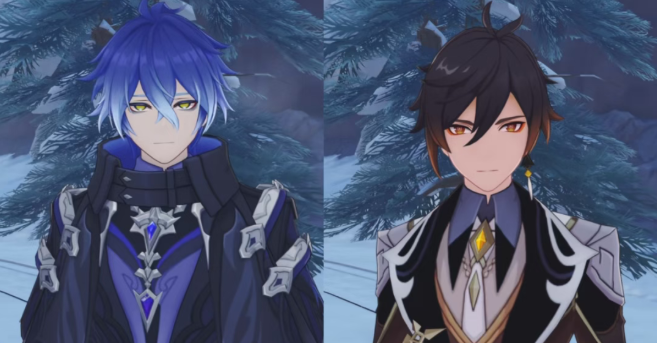
Perbedaan lain yang sering dibahas adalah rasio kepala terhadap tubuh.
Karakter dari versi awal dan pertengahan Genshin Impact terkadang disebut pemain memiliki kepala yang terlalu besar. Hal ini dapat terlihat pada beberapa tipe model, termasuk karakter laki-laki muda, perempuan dewasa, dan laki-laki dewasa.
Kepala sering kali relatif besar, sementara bahu, torso, atau keseluruhan rangka tubuh tetap ramping. Hal ini membantu memperkuat identitas anime bergaya khas game tersebut, tetapi juga dapat membuat model tertentu terlihat lebih kecil atau kurang berwibawa dibandingkan yang ditunjukkan ilustrasi resminya.
Karakter-karakter baru umumnya terlihat lebih seimbang.
Kepala mereka mungkin terlihat sedikit lebih kecil dibandingkan keseluruhan siluet, sementara bahu, torso, kaki, dan volume pakaian membentuk rangka tubuh yang lebih kuat. Ini bukan berarti Genshin Impact bergerak menuju anatomi manusia yang realistis. Modelnya tetap sangat bergaya, tetapi proporsinya kini lebih efektif dalam mereproduksi usia dan kehadiran karakter yang dimaksud.
Perbedaannya terutama terlihat pada karakter laki-laki dewasa.
Model laki-laki dewasa awal masih dapat terlihat ramping atau kekanak-kanakan meskipun karakternya ditampilkan memiliki kekuatan fisik. Desain baru memanfaatkan lebar bahu, struktur pakaian, panjang kaki, dan aksesori berlapis dengan lebih baik untuk menciptakan siluet yang lebih dewasa.
Peningkatan proporsi tubuh juga membantu model 3D lebih sesuai dengan splash art karakter. Karakter yang diilustrasikan memiliki kesan tinggi, elegan, atau kuat secara fisik kini lebih kecil kemungkinannya kehilangan kesan tersebut saat diubah menjadi model yang dapat dimainkan.
Model Baru Mereproduksi Karya Seni Karakter dengan Lebih Akurat
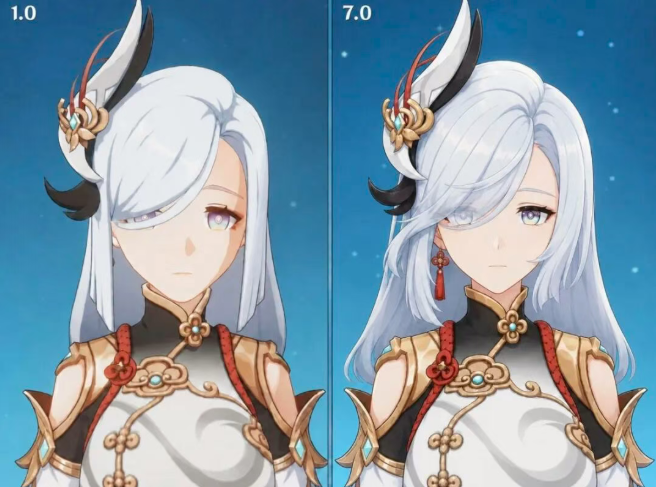
Keempat peningkatan ini berkontribusi pada satu hasil yang lebih luas: model karakter modern dapat mereproduksi ilustrasi resmi dengan lebih akurat.
Rambut yang detail mempertahankan siluet yang diinginkan. Poni transparan membuat wajah tetap mudah dibaca. Material yang lebih baik mereproduksi tekstur dan kedalaman pakaian. Proporsi yang ditingkatkan mempertahankan kehadiran fisik karakter yang dimaksud.
Hal ini dapat langsung memengaruhi respons pemain terhadap karakter baru.
Pada tahun-tahun awal Genshin Impact, ilustrasi promosi karakter terkadang menciptakan ekspektasi yang tidak dapat sepenuhnya diwujudkan oleh model dalam game. Detail gaya rambut, lapisan pakaian, atau proporsi tubuh tertentu harus disederhanakan.
Karakter modern umumnya kehilangan lebih sedikit detail dalam proses tersebut. Model yang ditampilkan dalam gameplay, adegan cerita, dan pratinjau karakter jauh lebih mirip dengan karya seni yang digunakan untuk mempromosikan banner.
Bagi game koleksi karakter, konsistensi ini penting. Pemain menghabiskan sebagian besar waktunya melihat model yang dapat dimainkan, bukan splash art, sehingga penerjemahan desain 2D ke tampilan 3D yang lebih baik dapat membuat karakter lebih menarik untuk didapatkan dan digunakan.
Mengapa Sebagian Pemain Masih Menyukai Gaya Versi 1.0
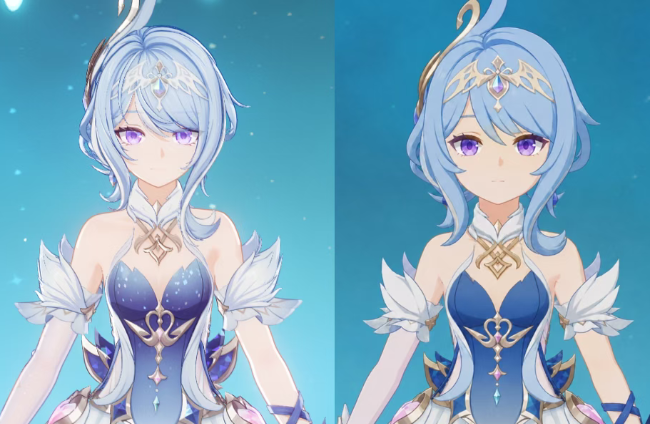
Detail teknis yang lebih banyak tidak otomatis berarti setiap pemain akan lebih menyukai desain baru.
Sebagian penggemar masih menyukai model dari versi awal Genshin Impact karena tampilannya lebih sederhana dan lebih mudah dikenali sebagai anime.
Kepala yang lebih besar, bentuk rambut yang padat, dan rendering material yang lebih bersih dapat menciptakan gaya yang lebih lembut dan menawan. Model awal mungkin terlihat kurang kompleks secara teknis, tetapi kesederhanaan itu juga memberi mereka kepribadian visual yang khas.
Karakter modern menggunakan helai rambut yang lebih halus, permukaan yang lebih detail, aksesori yang kompleks, dan proporsi yang lebih seimbang. Bagi sebagian pemain, hal ini membuat model terasa lebih polished dan mengesankan. Bagi pemain lain, hal ini mengurangi Kualitas yang sedikit imut atau bergaya, yang menjadi ciri khas roster awal.
Kedua preferensi tersebut dapat dipahami karena perbedaannya bukan hanya soal Kualitas grafis. Ini juga merupakan perubahan arah artistik.
Roster awal menekankan bentuk anime yang disederhanakan dan mudah dikenali. Roster Versi 7.0 lebih menekankan detail, definisi material, akurasi ilustrasi, dan siluet yang elegan.
Apakah Pemodelan Karakter Genshin Impact Benar-Benar Meningkat?
Dari perspektif teknis, jawabannya jelas ya.
Model modern menggunakan layering rambut yang lebih canggih, visibilitas wajah yang lebih baik, respons material yang lebih baik, dan siluet yang lebih seimbang. Animasi dan fisika juga memiliki lebih banyak detail individual untuk dimanfaatkan, sehingga karakter terasa tidak terlalu kaku saat bergerak.
Namun, apakah model baru terlihat lebih baik tetap menjadi hal yang subjektif.
Pemain yang menghargai penyempurnaan, material yang detail, dan reproduksi karya seni resmi yang akurat kemungkinan akan lebih menyukai pendekatan era Snezhnaya. Pemain yang lebih menyukai gaya anime sederhana mungkin akan tetap memilih karakter dari Mondstadt, Liyue, dan awal Inazuma.
Hal yang paling penting adalah Genshin Impact tidak menggantikan identitas visual aslinya. Game ini masih menggunakan sistem model yang secara umum terinspirasi anime. HoYoverse secara bertahap menyempurnakan sistem tersebut agar dapat mendukung desain karakter yang lebih kompleks.
Kesimpulan
Perbedaan antara Genshin Impact Versi 1.0 dan Versi 7.0 bukanlah hasil dari satu perombakan model besar-besaran. Perbedaan tersebut merupakan akumulasi dari banyak peningkatan kecil selama beberapa tahun.
Poni transparan mempertahankan ekspresi wajah. Geometri rambut yang lebih detail menciptakan siluet yang lebih ringan dan gerakan yang lebih alami. Rendering kain yang ditingkatkan memberikan kesan kedalaman yang lebih kuat pada stocking dan pakaian. Proporsi kepala dan tubuh yang lebih baik membuat karakter dewasa terlihat lebih matang serta membantu model dalam game menyesuaikan diri dengan ilustrasi resmi mereka.
Perubahan ini memberikan tampilan yang lebih rapi pada karakter modern dan memudahkan reproduksi desain yang rumit dalam gameplay.
Pada saat yang sama, model-model awal yang lebih sederhana tetap memiliki daya tarik tersendiri. Bentuknya yang solid dan proporsi anime yang dilebih-lebihkan menciptakan gaya visual yang lebih lembut, yang masih disukai sebagian pemain.
Evolusi model Genshin Impact bukan hanya kisah tentang peningkatan Kualitas teknis. Evolusi ini juga mencerminkan pergeseran bertahap game tersebut dari desain sederhana yang terinspirasi anime menuju karakter yang lebih detail, halus, dan akurat seperti ilustrasinya.
Pemain yang bersiap untuk karakter baru Version 7.0 dapat menggunakan Topuplist atau halaman isi ulang Genshin Impact untuk merencanakan pembelian Genesis Crystal.
FAQ
Bagaimana model karakter Genshin Impact meningkat sejak Versi 1.0?
Peningkatan yang paling terlihat mencakup poni semi-transparan, lapisan rambut yang lebih detail, gerakan rambut yang lebih baik, material kain yang ditingkatkan, dan proporsi tubuh yang lebih seimbang.
Apa itu poni transparan di Genshin Impact?
Poni transparan memungkinkan pemain melihat mata atau alis karakter melalui helaian rambut yang menutupi wajah. Hal ini menjaga ekspresi wajah tetap terlihat tanpa mengubah gaya rambut.
Mengapa karakter Genshin Impact yang lebih baru memiliki rambut yang terlihat lebih bagus?
Model-model baru menggunakan lebih banyak bagian rambut yang terpisah, detail helaian yang lebih halus, lapisan tambahan, ujung rambut yang lebih lembut, dan gerakan yang lebih baik. Karakter awal sering kali menggunakan bagian rambut yang lebih besar dan kaku.
Apakah model karakter baru lebih tinggi daripada model lama?
Belum tentu. Perubahan yang lebih terlihat adalah keseimbangan antara kepala, torso, bahu, kaki, dan volume pakaian. Karakter-karakter baru dapat terlihat lebih tinggi atau lebih dewasa meskipun menggunakan tipe tubuh yang sudah dikenal.
Mengapa sebagian pemain lebih menyukai model Genshin Impact yang lebih lama?
Model-model awal menggunakan bentuk yang lebih sederhana, kepala yang lebih besar, dan gaya anime yang lebih berlebihan. Sebagian pemain merasa hal ini memberikan karakter lama tampilan yang lebih lembut, imut, atau khas.
Apakah pemodelan karakter yang lebih baik memengaruhi penjualan banner?
Kualitas model dapat memengaruhi minat pemain karena model yang dapat dimainkan adalah tampilan yang dilihat pemain selama eksplorasi, pertarungan, dan adegan cerita. Model yang sangat mirip dengan artwork promosi dapat membuat karakter lebih menarik, meskipun kekuatan dalam gameplay dan kepribadian tetap menjadi faktor penting.
Apakah HoYoverse akan memperbarui model karakter lama?
Pakaian alternatif dan skin baru dapat menggunakan teknik rendering yang lebih modern, tetapi pembaruan visual menyeluruh untuk seluruh roster awal akan membutuhkan pekerjaan pengembangan yang signifikan. Saat ini, kostum baru merupakan cara paling praktis untuk memberikan tampilan visual yang lebih modern pada karakter lama.