


Wild Rift Patch 7.2a Champion Guide: Nidalee and Warwick Nerfs, Yuumi Buff, and Build Changes
Wild Rift Patch 7.2a changes several champions that influence jungle tempo, lane safety, scaling, and team-fight utility. This practical guide translates the patch into player decisions: which habits need to change on Nidalee and Warwick, how Yuumi players can use the buff without overcommitting, which matchups gain value, how to adjust builds and runes, and how to test the changes before taking them into ranked games.
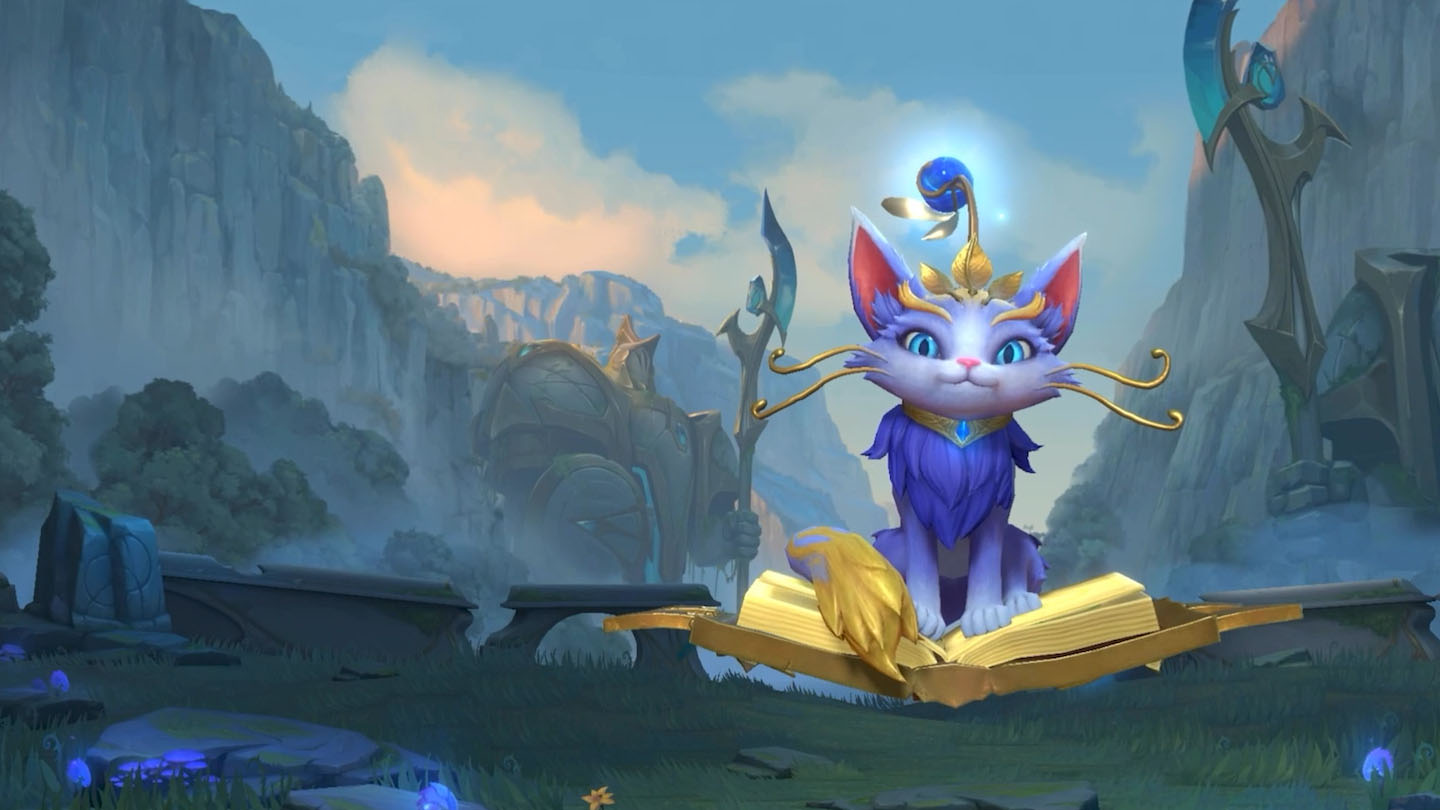
Wild Rift Patch 7.2a is not a patch that can be understood by reading a single tier list. The important changes affect different phases of a match. Nidalee and Warwick lose part of their previous pressure, Yuumi receives a meaningful improvement to her utility, and several other champions move because the patch changes what teams can safely draft around them.
The practical mistake is to translate every buff into “play this champion more” and every nerf into “stop playing this champion.” A patch changes thresholds. A jungler may still be strong but require a cleaner first clear. A support may still be fragile but become more valuable when paired with the right carry. A champion that looks unchanged can gain or lose value because the surrounding matchups move.
This guide focuses on the decisions players need after 7.2a: early route selection, first recall timing, build adaptation, lane expectations, team composition, and the difference between a champion that is strong on paper and one that is reliable in solo queue. Use the live in-game tooltip for final numbers, but use the framework below to decide how you should play the patch.
Patch 7.2a in One Page
The main practical effects are easy to summarize:
Nidalee has less freedom to convert early jungle pressure into repeated kills.
Warwick has less room to win extended fights through the same sustain pattern as before.
Yuumi receives more reason to stay attached to a useful carry and support longer fights.
Champions that punish predictable first clears become more attractive jungle answers.
Front-to-back teams gain value when early snowball champions cannot end fights as quickly.
Players who keep the exact same first recall and rune choices may feel the nerfs more than players who adapt their route.
These points do not mean that every game becomes slow. They mean that the cost of a failed first move is higher for the nerfed champions, while patient scaling and coordinated protection become more valuable for the buffed support.
Nidalee: Replace Repeated Pressure with Information
Nidalee players should stop treating every early spear hit as permission to invade. Before the patch, a small health advantage could create a chain of pressure: clear faster, enter the enemy jungle, force a fight, then return before the opponent recovered. If the new numbers reduce that margin, the same sequence becomes punishable.
The first change is route discipline. Use the opening clear to learn where the enemy jungler is rather than automatically contesting the nearest camp. Ward an entrance, watch the lane states, and decide whether your lanes can actually move before crossing the river. A lane that is pushed under its own turret cannot support an invade just because your champion has strong level-one damage.
The second change is spear value. Nidalee still benefits from landing long-range poke, but the correct follow-up is not always a full transformation combo. Ask three questions: Is the target isolated? Does the target have flash or a dash? Can your nearest ally arrive before the enemy support? If the answer to two of these questions is no, take the health advantage and return to farming.
The third change is first recall planning. Buy the component that improves your next two clears or your ability to contest vision, not the item that produces the most impressive single damage number. A stable clear keeps Nidalee useful even when the early kill route is unavailable.
Nidalee's best post-patch games will often look less dramatic. She will collect information, use mobility to arrive first, and choose fights where the enemy has already lost a resource. That is still pressure, but it is pressure created by timing rather than repeated coin flips.
Warwick: Track the Fight Before You Commit
Warwick players should be more careful about starting fights at the edge of his sustain threshold. A health bar that looks favorable is not enough if the enemy can interrupt the first bite, reduce healing, or receive reinforcements. The patch makes the old “I can always finish this” assumption less reliable.
Start with target selection. Warwick wants a target whose escape tools are limited and whose nearby teammates are visible. If the enemy laner has a dash, crowd control, or a strong level-three response, wait for those tools to be used before committing. The same rule applies to river fights: a marked low-health target can be bait rather than an invitation.
Adjust your first clear around lane priority. Warwick can still use early threat to protect a vulnerable lane, but he should not enter a losing river alone. If your mid laner is under pressure and your side lane is trading health, take the uncontested camp and prepare for the next timing window. Staying on the map with useful health is often more valuable than forcing a low-probability fight.
Builds should emphasize the match's actual damage pattern. If the enemy has several sources of percentage damage or anti-heal, defensive purchases can produce more value than another aggressive component. If the enemy is mostly physical and lacks reliable crowd control, you have more freedom to keep a damage-focused path. The correct choice is not a universal Warwick build; it is the build that lets you reach the second and third engagement without being removed before your sustain matters.
In team fights, enter after the first wave of control abilities has been used. Warwick is strongest when he can stay in the fight long enough to convert movement, fear, and healing into a second target. If he is the first champion to absorb every cooldown, his old sustain pattern cannot save the fight.
Yuumi: Make the Buff Visible Through Decisions
Yuumi's improvement rewards players who understand attachment timing, not players who attach permanently and stop interacting with the map. Her value depends on choosing the ally who can create a winning sequence, then using detachment, vision, and ability timing to extend that advantage.
At level one, decide what your lane is trying to accomplish. If your partner wants to control the wave, use your early tools to make the first trade safer. If the lane is weak before the first recall, preserve health and wait for the item spike. A buff does not remove the need to respect enemy engage ranges.
Attachment priority should follow win condition. The strongest-looking champion is not always the correct host. Choose the ally who can reach the enemy backline, protect you from an assassin, or hold space long enough for your ultimate to matter. Reattach after the enemy uses a key ability rather than changing hosts randomly during a spell rotation.
Yuumi players should also treat the map as part of their kit. Use the attached ally's movement to arrive at a ward timing, objective setup, or reset. If the team is about to contest an objective, establish vision before the fight begins. A support who arrives late cannot turn a numerical disadvantage into a clean fight merely because her numbers improved.
The buff is most valuable in coordinated sequences: a protected carry finishes a wave, rotates first, and enters the objective with health and cooldowns available. It is less valuable when the host is split-pushing without vision or diving alone. The patch rewards judgment more than passive safety.
Matchup and Draft Changes
When Nidalee is available, opposing teams should think about first-clear disruption and lane movement. Do not invade simply because she is weaker. Instead, remove the conditions that let her choose the fight: keep entrances warded, prevent isolated lanes from overextending, and contest her when her nearest route is known.
Against Warwick, save anti-heal and crowd control for the moment he commits. Burning every ability before he enters gives him the fight he wants. If your team can force him to choose between retreating and entering without sustain, the nerf becomes more visible.
Against Yuumi, pressure the host and deny safe recall cycles. The objective is not always to kill Yuumi. It can be enough to force the attached carry away from the wave, break vision control, or make the team start an objective without the resources it wanted. A Yuumi composition becomes harder to manage when it cannot choose where the next fight happens.
In your own draft, consider whether the champion's conditions fit your team. Nidalee needs lanes that can move and targets that can be finished. Warwick needs fights that do not begin with every enemy cooldown ready. Yuumi needs a clear host and a team that understands how to play around her timing. If your draft provides none of those conditions, a theoretically strong pick can become a poor practical choice.
Runes, Items, and First Recall Habits
Do not change runes just because a patch note contains a number. Change them when the number changes what your first meaningful action is. Nidalee may prefer a page that supports reliable clearing and repeated movement over a page that only improves a single burst attempt. Warwick may need durability or anti-control value when the enemy can stop his first engagement. Yuumi should choose a page that matches whether the lane is trying to survive, poke, or scale.
First recall is often more important than the final build. A recall that leaves you unable to clear, ward, or contest the next objective makes a small patch nerf feel enormous. Spend on the component that keeps your planned route possible.
For Nidalee, compare clear speed, mana stability, ability haste, and vision access. For Warwick, compare the amount of damage you can survive before healing begins and whether your purchase lets you stay on the map. For Yuumi, compare the value of supporting the next host with the value of protecting the lane's immediate wave.
Write down the first recall you used before 7.2a, then test one alternative over three normal games. Do not judge an adjustment from a single match with an unusual matchup.
Three Test Games Before Ranked
Game one should be a normal match focused on the opening route. Record your first clear time, first recall gold, and the moment you first lose map control. Do not chase a highlight play.
Game two should test the mid-game plan. Track whether you reach the first major objective with enough health, vision, and cooldowns. Pay attention to whether the champion still performs its intended job when the early kill does not happen.
Game three should test the losing position. Ask what the champion can do when behind. A reliable patch pick is not only the champion that wins when ahead; it is the one that still farms, protects an objective, creates vision, or supports a carry when the opening plan fails.
Only after these games should you return to ranked. Adjust one variable at a time so you know whether a different rune, route, or first item actually helped.
Practical Solo Queue Rules
Do not force a jungle fight because a patch article says your champion is an early-game pick. Do not attach to the highest damage ally without checking whether that ally can survive the next ten seconds. Do not build anti-heal after the fight is already lost; buy it when the enemy's healing pattern is part of the problem.
Use pings before moving. Patch changes increase the value of clear communication because the champion's old automatic patterns are less reliable. A timed retreat can be a winning play when it preserves your next objective.
Finally, remember that a patch is not a command to abandon a favorite champion. It is a reason to update the habits that no longer produce the same value. Players who understand the new thresholds can keep winning with champions that look weaker on a headline list.
Topuplist is available for players who have already decided on a controlled Wild Rift budget. You can visit Topuplist or use the Wild Rift top-up page. Keep purchases separate from patch emotion: choose the amount first, then confirm the correct account before paying.
FAQ
What changed for Nidalee in Wild Rift 7.2a?
The patch reduces part of her previous early pressure, so players should place more value on information, lane priority, and reliable clearing instead of forcing every invade or spear hit into a kill attempt.
Is Warwick still good after 7.2a?
Warwick can remain effective, but his players need to track enemy crowd control, anti-heal, reinforcements, and the actual sustain threshold before committing to extended fights.
How should Yuumi players use the 7.2a buff?
Use the improvement through better host selection, attachment timing, vision setup, and objective preparation. The buff is strongest when Yuumi supports a clear team win condition rather than attaching permanently without a map plan.
Should I change my runes immediately?
Test the first route and recall before changing everything. Adjust runes when the patch changes your first meaningful action, not simply because a number appears in the notes.
Are these champions safe to play in ranked immediately?
Play several normal games first. Test the opening route, mid-game objective timing, and losing position before committing to a ranked climb with a new build.
What is the best response against Warwick?
Save crowd control and anti-heal for his commitment window, track his nearby allies, and avoid giving him an isolated extended fight with every enemy cooldown already spent.
What is the best response against Yuumi?
Pressure her host, disrupt safe recalls, deny vision control, and force the composition to fight in locations it did not prepare for.
Final Takeaway
Wild Rift 7.2a rewards players who update their thresholds rather than memorizing a new tier list. Nidalee needs information before invasion, Warwick needs better commitment timing, and Yuumi needs a deliberate host and map plan. Test the changes in three focused games, adjust one variable at a time, and take the patch into ranked only after the new habits feel repeatable.