


Honkai: Star Rail 4.4 Four-Star Guide: Best Eidolons to Target
The Honkai: Star Rail Version 4.4 Phase 2 character banners feature Moze, Hanya, and Serval as the shared four-star lineup. Each character fills a different role, and duplicate value is not evenly distributed across their Eidolons. This guide identifies the most useful milestones, explains which accounts can still use each character, and shows why chasing one four-star copy can be riskier than saving pity for a future five-star.
Moze, Hanya, and Serval share the Version 4.4 Phase 2 character banners, but the presence of a useful four-star does not make every pull efficient. Players who have already decided to purchase Oneiric Shards can recharge through Topuplist and the dedicated Honkai: Star Rail top-up page, while the safer planning rule is to treat four-star duplicates as bonuses attached to an acceptable five-star banner. The right target depends on whether the account needs follow-up support damage, Skill Point management, or accessible Lightning coverage.
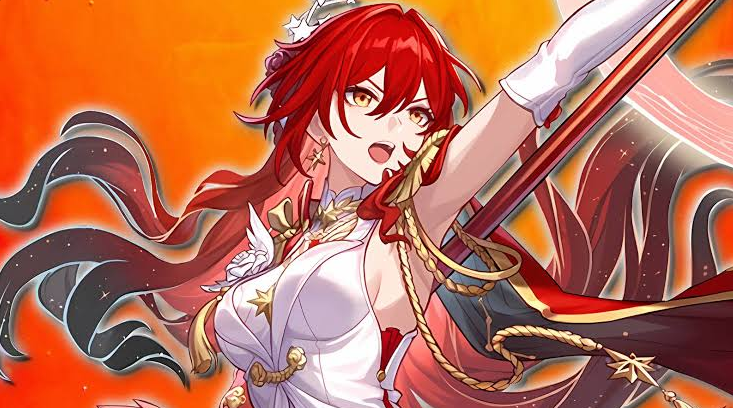
The Four-Star Problem: Rate-Up Is Not a Guarantee
Three four-star characters share the rate-up pool. Even after a four-star result appears, the game does not promise that it will be the specific character you want. A player can obtain repeated copies of two characters while never seeing the third.
That means an Eidolon target must be evaluated alongside the five-star outcome. If you would be unhappy receiving Cerydra, Anaxa, or Aventurine from the selected banner, do not pull only for Moze, Hanya, or Serval. Early five-stars are fortunate only when the result supports the account plan.
The best use of this guide is therefore not “pull until E6.” It is to recognize valuable stopping points while pursuing a five-star you already want.
Moze: The Strongest Specialist of the Three
Moze is a Hunt character built around marking a target as Prey, leaving the normal action order, and contributing follow-up attacks as allies strike that enemy. His value rises in teams that already attack frequently and can concentrate actions on one priority target.
He is especially attractive for accounts using follow-up-focused cores, because his personal damage and target pressure arrive without occupying every normal turn. However, he is less comfortable when enemies die too quickly, targets change constantly, or the team spreads damage across several opponents.
Moze at E0
At E0, Moze already demonstrates his intended role. He can mark a target and participate through follow-up actions. This makes one copy useful for collection and for players who need a low-rarity option in a follow-up lineup.
The limitation is smoothness. Base Moze can feel more dependent on correct target selection and may provide less team amplification than higher Eidolons. Players should learn when to place Prey before judging his performance.
Moze's Important Eidolon Milestones
His early Eidolons improve practical contribution rather than merely adding small personal stats. The most attractive breakpoint is the one that increases the value allies receive when attacking the marked target. This turns Moze from a personal sub-damage dealer into a more meaningful team piece.
Later Eidolons improve ultimate or follow-up performance and eventually raise his damage ceiling further. Dedicated follow-up accounts benefit more from these copies than general accounts because they trigger his mechanics more often.
E6 is powerful for players who already use Moze, but it is not a safe standalone target. The number of required copies is unpredictable, and a modern account may eventually replace him with a limited unit. Consider E6 a favorable result accumulated over time, not a requirement to force during one banner.
Who Should Value Moze Copies?
Prioritize Moze when your main team repeatedly attacks one enemy, you lack a premium sub-damage option, or you already have a developed Hunt and follow-up support structure. Deprioritize him when your teams focus on damage-over-time, Break, summons, or broad area damage without concentrated follow-up actions.
Hanya: Skill Point Comfort and Speed Support
Hanya is a Harmony support whose Burden mechanic helps the team recover Skill Points while her Ultimate provides Speed and ATK support to one ally. She is useful when a team has good characters but an uncomfortable action economy.
Her advantage is clarity. Hanya does not need a highly specialized follow-up or damage-over-time core. She can support a Skill Point-hungry damage dealer and make the rotation easier to execute. Her disadvantage is competition from newer Harmony units that offer broader buffs or stronger unique mechanics.
Hanya at E0
E0 Hanya can already apply Burden and help recover Skill Points. For a developing account, that can be enough to make an otherwise awkward team playable. She also offers Speed support, which may allow a damage dealer to reach an important action threshold.
Players should not assume that extra Skill Points fix every rotation. If the team has poor buff timing, lacks survival, or uses characters that do not benefit strongly from her offensive support, Hanya will not solve the central issue.
Hanya's Useful Eidolon Range
Hanya's early Eidolons improve her own action flow and the consistency of her support. Speed-related benefits can help her refresh Burden or reach the Ultimate at a more convenient point. Her most recognizable later breakpoint extends the duration of her Ultimate's effect, reducing the pressure to reapply the buff immediately.
That duration increase is valuable because it changes rotation comfort. A buff lasting through an additional action can prevent a damage dealer from taking an unbuffed turn and can make Speed tuning less fragile.
E6 improves the value of Burden further, but the same chasing warning applies. Hanya is most efficient when copies arrive naturally while pulling for a desired five-star. She is rarely a reason to risk an unwanted pity result by herself.
Who Should Value Hanya Copies?
Hanya is useful for players running Skill Point-heavy teams without premium Harmony coverage, for accounts that need a second support on the opposite endgame side, and for players who value simple, stable rotations. Her priority falls when the roster already includes several limited Harmony units and no team suffers from Skill Point pressure.
Serval: Accessible Lightning Coverage With a Lower Ceiling
Serval is an Erudition damage dealer who applies Shock and handles groups of enemies. She remains easy to understand and can help an early account cover Lightning weakness, especially before the player develops a wider roster.
Her challenge is long-term competition. Honkai: Star Rail has many powerful damage dealers, and modern content often rewards deeper mechanics than basic area damage. Serval copies improve a character who may be useful now but less central later.
Serval at E0
E0 Serval can clear story content and contribute in multi-target fights. Her Skill applies Shock, and her Ultimate supports continued area pressure. She is inexpensive to understand and can use accessible equipment.
This makes the first copy valuable mainly to new accounts. Established players should ask whether they would actually build and use her before treating another duplicate as a banner benefit.
Serval's Best Eidolon Milestones
Early Eidolons improve additional hits, energy behavior, and Shock application consistency. These are practical upgrades because they help Serval maintain her damage pattern rather than relying on one burst moment.
Her later Eidolons improve damage against Shocked enemies and strengthen her area role. E6 is the full version of Serval's original design, but it does not automatically raise her above limited Lightning damage dealers.
For a new player, several natural Serval copies can reduce the need to invest immediately in another Lightning unit. For a veteran, E6 may remain a collection result rather than an active roster upgrade.
Who Should Value Serval Copies?
Value Serval when the account is new, lacks Lightning coverage, needs an accessible Pure Fiction option, or already has her partially built. Deprioritize her when Lightning and area damage roles are already covered by stronger invested characters.
Account-Based Priority
Account need | Best four-star target | Recommended stopping idea |
|---|---|---|
Follow-up team needs a sub-DPS | Moze | Secure a useful early team-support milestone, then stop with the five-star plan |
Skill Point economy feels unstable | Hanya | Aim for the Ultimate-duration comfort breakpoint only if the five-star is wanted |
New account lacks Lightning area damage | Serval | Accept natural copies and build only as far as current content requires |
Mature roster with premium supports and damage dealers | None specifically | Treat all three as bonus currency or collection progress |
Moze has the highest specialist ceiling, Hanya provides the broadest rotation comfort, and Serval offers the simplest early-account coverage. Those strengths cannot be ranked correctly without looking at the roster.
How to Choose the Correct Banner Side
Because all three four-stars appear on the Phase 2 character banners, the five-star target should decide the side. Pull Cerydra's banner if the account needs her support function, Anaxa's if his damage role is the priority, or Aventurine's if the account needs his sustain and follow-up utility.
Do not switch banner sides based on a short sequence of four-star results. Character Event Warp pity is shared among the event character banners, so the final five-star risk remains the central decision.
If more than one five-star is acceptable, compare which result fixes the larger account weakness. A desired four-star is not enough to break a tie between two five-stars with very different long-term value.
When to Stop Pulling
Set a stop before opening the Warp screen. Reasonable stops include obtaining the planned five-star, reaching the protected reserve for the next banner, or receiving the useful four-star breakpoint along the way.
Stop immediately if the next pull could consume a guarantee reserved for another character. Do not continue because the desired four-star is “probably close.” The game does not track or promise a specific four-star target.
If you miss the duplicate you wanted, remember that four-stars return. A delayed Eidolon is usually less damaging than losing the ability to guarantee a future limited character.
Final Priority
Moze is the best target for a suitable follow-up account, especially when an early Eidolon improves his contribution to allies attacking Prey. Hanya is the practical choice for players who need Skill Point recovery and longer, smoother support windows. Serval is most valuable to newer accounts that still need Lightning area coverage.
None of them should be chased on an unacceptable five-star banner. Use the shared rate-up as extra value while pursuing Cerydra, Anaxa, or Aventurine for a real account reason, then stop when the protected budget is reached.
FAQ
Is Moze still worth building in Version 4.4?
Yes for follow-up teams that can repeatedly attack one priority target. His value is lower in teams that constantly switch targets or do not trigger frequent allied attacks.
Which Hanya Eidolon changes her gameplay the most?
The later milestone that extends her Ultimate buff duration is a major comfort improvement because it keeps the supported damage dealer covered for longer. Earlier copies mainly improve flow and consistency.
Is E6 Serval worth targeting?
E6 improves Serval, but established accounts should not risk a five-star guarantee only for it. New players who obtain copies naturally can use her as accessible Lightning area damage.
Can I safely buy pulls only to chase one four-star copy?
No specific four-star is guaranteed. If you choose to purchase Oneiric Shards, use a fixed budget through Topuplist and the Honkai: Star Rail top-up page, and pull only when the possible five-star result is also acceptable.