Is HeeSay Safe to Use? Privacy Features and Account Safety Tips
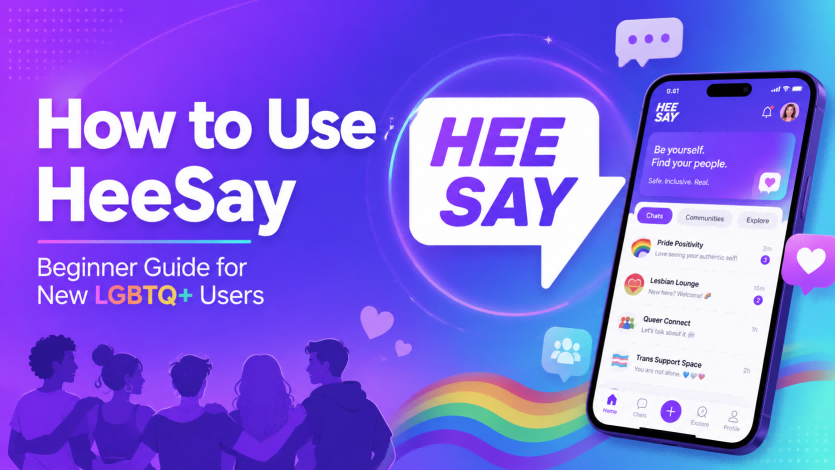
Is HeeSay Safe to Use?
HeeSay can be safe to use if you understand its privacy tools, protect your account, avoid oversharing, and watch for common risks found on social and dating platforms. The app offers privacy-focused features such as private photo albums, disappearing messages, and anti-screenshot protection, but no app can fully protect you from scams, harassment, fake profiles, or unsafe offline meetings if you ignore basic safety habits.
HeeSay is designed as an LGBTQ+ community and social connection platform where users can chat, share moments, join live rooms, and connect with people nearby or globally. That makes privacy especially important. For many LGBTQ+ users, online exposure can affect personal safety, family relationships, work, school, and public identity.
If you use HeeSay Beans for gifts, live interactions, or other paid features, you can check Topuplist HeeSay Beans Top Up as a digital top-up option. Always enter your HeeSay ID carefully, keep your receipt, and never share your HeeSay password with any top-up provider.
This guide explains what HeeSay’s privacy features do, where the risks are, and how to use the app more safely.
Quick Verdict: How Safe Is HeeSay?
HeeSay has useful safety and privacy features, but your experience depends heavily on how you use the app. The safest approach is to treat HeeSay like any other LGBTQ+ social, chat, or dating platform: share gradually, verify trust over time, avoid financial requests, and use block/report tools early.
The bottom line: HeeSay is safer when you actively use its privacy settings and avoid risky behavior. It is not enough to rely on app features alone.
What Is HeeSay?
HeeSay is an online LGBTQ+ community platform that combines social networking, chat, livestreaming, and interactive community features. On Google Play and the Apple App Store, HeeSay is presented as a place for LGBTQ+ users to connect, share, chat, and interact.
Because HeeSay includes social discovery, private messaging, photo sharing, live rooms, and paid interaction features, safety should be part of your setup from day one. New users should review the HeeSay Terms, Privacy Policy, and Community Guidelines before becoming active on the platform.
What Privacy Features Does HeeSay Offer?
HeeSay’s app store descriptions highlight privacy-oriented features such as private photo albums, disappearing messages, and anti-screenshot protection. These tools can reduce exposure, but they should be used as extra safety layers rather than complete protection.
Private Photo Albums
Private albums are designed to give users more control over who can see certain photos. This is useful if you want to keep your public profile simple while sharing selected images only with trusted contacts.
However, private does not always mean risk-free. A person who receives access may still use another device to photograph or record the screen. Before granting album access, ask yourself:
Have you talked to this person long enough?
Are they pressuring you to share photos?
Would the photo expose your face, home, workplace, school, tattoos, or private documents?
Would you feel unsafe if the image were saved or shared?
For LGBTQ+ users who are not publicly out, private albums should be used with extra caution.
Disappearing Messages
Disappearing messages can reduce long-term exposure by making certain messages temporary. This can be helpful for privacy-conscious chats, but it does not guarantee that content cannot be captured.
A safe rule is simple: do not send anything through disappearing messages that you would not want copied, photographed, or misused. “Disappearing” should not be treated as “impossible to save.”
Anti-Screenshot Protection
Anti-screenshot protection is meant to discourage or block screenshots in certain app contexts. It can be helpful, especially when combined with private albums and cautious sharing.
Still, no anti-screenshot system is perfect. Another user may record the screen with another phone, camera, or external device. Treat anti-screenshot protection as a backup layer, not your main privacy strategy.
Block and Report Tools
If someone harasses you, pressures you, sends hate speech, asks for money, threatens to expose you, or behaves suspiciously, use block and report tools quickly. HeeSay’s Community Guidelines explain that users should interact respectfully, especially in live and community spaces.
Do not waste time arguing with hostile or suspicious users. Blocking is a safety tool, not a rude action.
What Personal Information Should You Protect on HeeSay?
Many safety problems begin when users reveal too much too soon. This is especially important for LGBTQ+ users who may face outing, harassment, workplace discrimination, family pressure, or local safety risks.
The GLAAD LGBTQ Digital Safety Guide recommends reviewing privacy settings and taking practical steps to reduce online exposure. That advice is highly relevant for LGBTQ+ users on any social platform, including HeeSay.
How to Make Your HeeSay Account Safer
Download HeeSay Only from Official Sources
The safest way to install HeeSay is through official app stores such as Google Play or the Apple App Store. Avoid random APK websites, modified app versions, or links sent by strangers.
Unofficial downloads may expose you to fake login pages, malware, outdated app versions, or stolen account credentials.
Use a Strong and Unique Password
Use a password that you do not use on any other app. A good password should be long, unique, and hard to guess. Avoid using your birthday, nickname, phone number, pet name, or simple phrases.
If HeeSay supports extra verification or account recovery options in your region, set them up carefully. Also secure the email or phone number connected to your account, because attackers often target recovery channels first.
Never Share Login Codes or Passwords
No real user, streamer, top-up provider, or support account should need your HeeSay password. If someone asks for your password, login code, verification code, email access, or account recovery link, treat it as an account theft attempt.
A safe HeeSay Beans top-up flow should only require limited information such as your HeeSay ID or UID, not your account password. For example, Topuplist HeeSay Beans Top Up says its top-up process does not require an account password. Still, you should always check the page carefully, confirm your ID, and avoid unofficial links sent through private messages.
Be Careful with Social Media Linking
HeeSay may allow users to connect or share social profiles such as Instagram, X, or Facebook. This can make your profile feel more personal, but it also connects your HeeSay presence with your wider public identity.
If you are not publicly out, or if your work, school, family, or local environment is sensitive, think carefully before linking social accounts.
Common HeeSay Safety Risks New Users Should Know
Romance Scams
Romance scams are common across dating apps and social platforms. The FTC romance scam guide warns that scammers often build emotional trust and then ask for money. The FBI romance scam page also advises victims to stop contact with suspected scammers and report fraud.
Warning signs include:
Fast emotional attachment
Excuses for never meeting in person
Requests for emergency money
Crypto or investment advice
Gift card requests
Banking or account help
Pressure to move to WhatsApp, Telegram, or another app quickly
If someone you met on HeeSay asks for money, gift cards, crypto, or financial help, stop and reassess the situation.
Fake Profiles and Catfishing
Fake profiles may use stolen photos, vague bios, or inconsistent stories. A person may seem attractive and affectionate but avoid normal verification, refuse voice or video interaction, or push intimacy very quickly.
Be careful if someone:
Has perfect-looking photos but almost no profile details
Gives inconsistent personal information
Avoids basic questions
Refuses any normal verification
Asks for private photos early
Pushes you to leave HeeSay immediately
You do not need to prove someone is fake before protecting yourself. If the interaction feels wrong, slow down or stop replying.
Sextortion and Blackmail
Sextortion happens when someone obtains intimate photos, videos, or messages and then threatens to expose them unless you pay or send more content. LGBTQ+ users may be especially vulnerable if they are not publicly out.
To reduce risk:
Do not send intimate images to new contacts.
Avoid showing your face, tattoos, home, documents, or location clues in sensitive photos.
Do not include workplace, school, or family details.
Stop contact immediately if someone threatens you.
Do not pay blackmailers, because payment often leads to more demands.
Report the account and seek trusted help if you feel unsafe.
Phishing Links
Phishing links may look like login pages, verification pages, prize pages, fake support forms, or fake payment links. A scammer may claim your account needs verification or that you must log in to receive a gift.
Do not enter your HeeSay login details outside official app channels. Be especially cautious with shortened links, urgent messages, and private messages claiming to be official support.
HeeSay Red Flags: When to Block or Report
Blocking early is often the safest choice. You do not need to continue a conversation just because someone is persistent.
Privacy Tips for LGBTQ+ Users on HeeSay
If You Are Not Publicly Out
Use HeeSay more carefully if your LGBTQ+ identity is private in your family, workplace, school, or local community. Avoid linking public social accounts, sharing face photos too quickly, posting identifiable backgrounds, or revealing your exact location.
A safer profile can still show personality without exposing everything. You can mention interests, hobbies, music, gaming, travel, or community topics without sharing your full identity.
If You Live in a Higher-Risk Region
LGBTQ+ safety varies widely by country, city, family environment, and workplace culture. If being publicly LGBTQ+ could create legal, social, or personal risk where you live, use stricter privacy settings.
Be careful with:
Location-based discovery
Public live rooms
Face photos
Real-time location sharing
Social media links
Workplace or school references
Public posts that reveal your routine
Read HeeSay’s Terms and check whether the service or certain features are restricted in your country or region.
If You Use Live Streams or Voice Rooms
Live and voice features can make HeeSay feel more social, but they can also reveal information accidentally. Before going live or joining a public room, check your background and audio environment.
Avoid showing:
Mail, packages, or documents
Street signs or windows with recognizable locations
Work badges or school materials
Family members or roommates without consent
Private home details
Real-time travel locations
In public rooms, do not share information that you would not want strangers to know.
Is It Safe to Buy HeeSay Beans or Use Top-Up Services?
HeeSay Beans may be used for gifts, live interactions, or other paid features depending on your region and app version. You do not need Beans to understand the basic safety rules of the app, and new users should explore free features first before spending.
If you decide to top up, use basic payment safety rules:
Choose a trusted payment page.
Confirm the product and region.
Enter the correct HeeSay ID.
Keep your order receipt.
Never share your HeeSay password.
Avoid private sellers offering unrealistic discounts.
Do not click payment links sent by strangers in chat.
For users who already use Beans, Topuplist HeeSay Beans Top Up is a convenient option to compare. Topuplist states that the HeeSay Beans top-up process does not require complicated steps or an account password. That is important because password-free top-up is safer than giving full account access to a third party.
Still, always double-check the page, package, and account ID before completing payment.
How to Meet Someone from HeeSay Offline Safely
Meeting someone offline is a personal decision, and you should never rush it. A good chat does not automatically mean a person is safe in real life.
Before meeting:
Talk long enough to understand basic intentions.
Consider voice or video verification if you feel comfortable.
Choose a public place.
Tell a trusted friend where you are going.
Arrange your own transportation.
Keep your phone charged.
Avoid sharing your home address.
Do not meet at a private home or hotel for the first meeting.
During the meeting:
Stay in public.
Watch for pressure or boundary-pushing.
Keep your drink and personal items secure.
Leave if anything feels wrong.
Do not feel obligated to continue the date or hangout.
After the meeting, check in with a trusted friend. If the person becomes aggressive, blocks your exit, threatens you, or continues unwanted contact, use HeeSay’s block/report tools and seek local help if necessary.
What to Do If You Feel Unsafe on HeeSay
If someone harasses you, threatens you, scams you, or pressures you, act quickly.
For harassment:
Stop replying.
Block the account.
Report the user.
Save evidence if safe and allowed.
Adjust privacy settings.
For blackmail or threats:
Do not pay.
Do not send more content.
Stop engaging with the person.
Save evidence.
Report the account.
Contact trusted support or local authorities if you are in danger.
For account compromise:
Change your password immediately.
Secure your linked email or phone.
Log out of other sessions if possible.
Review payment activity.
Contact official support through HeeSay’s Help page.
Warn contacts if suspicious messages were sent from your account.
The faster you respond, the easier it is to limit damage.
HeeSay Safety Checklist for Beginners
FAQ: HeeSay Safety and Privacy
Is HeeSay safe for LGBTQ+ users?
HeeSay offers useful privacy features, but safety depends on how you use the app. LGBTQ+ users should manage profile visibility, location sharing, private albums, social links, and chat behavior carefully.
Does HeeSay protect private photos?
HeeSay offers private album-style privacy tools, but you should not treat them as perfect protection. Another person may still record or photograph content with another device.
Are disappearing messages completely safe?
No. Disappearing messages can reduce long-term exposure, but they cannot guarantee that another user will not copy, save, record, or misuse content.
Can someone screenshot my HeeSay messages or photos?
Anti-screenshot protection may help in certain situations, but it should not be your only privacy layer. Always assume that anything shared online could potentially be captured.
Should I share my Instagram, X, or Facebook on HeeSay?
Only share public social accounts if you are comfortable connecting your HeeSay identity to your broader public identity. If you are not publicly out, be cautious.
What should I do if someone asks me for money?
Do not send money, gift cards, crypto, bank details, or payment information. Stop contact and report the account. Money requests from online-only contacts are a major scam warning sign.
Is it safe to meet someone from HeeSay in person?
It can be safer if you meet in a public place, tell a trusted friend, arrange your own transportation, and leave if you feel uncomfortable. Never let someone pressure you into a private location.
Is Topuplist required to use HeeSay?
No. Topuplist is not required for basic HeeSay use. It is only relevant if you want a HeeSay Beans top-up option. Basic chatting, privacy habits, and safety settings should come first.
Conclusion: HeeSay Is Safer When You Use Privacy as a Habit
HeeSay can be a safe and enjoyable LGBTQ+ community app when you use it carefully. The platform provides privacy tools such as private albums, disappearing messages, anti-screenshot protection, and block/report options, but these tools work best when combined with smart user behavior.
Do not overshare your identity, location, photos, social accounts, or financial information. Be cautious with new contacts, avoid suspicious links, keep early conversations on-platform, and never send money to someone you only know online.
If you use paid interaction features, compare options carefully and use safe top-up habits. Topuplist HeeSay Beans Top Up can be useful for users who already need Beans, but you should still confirm your HeeSay ID, keep your receipt, and never share your password.
The safest way to use HeeSay is simple: protect your privacy before you need it, trust slowly, and treat safety as an active habit rather than a one-time setting.