


NIKKE PROJECT MATIS Story II Guide: Clear Order, Event Currency, Shop Priorities, and August 12 Deadline
PROJECT MATIS opened Story II on July 30, 2026, adding another layer to the event before its scheduled August 12 conclusion. This guide helps players verify unlocks, clear story content in order, spend event currency by account need, prepare for later challenge stages, and confirm every limited reward before the event closes.
PROJECT MATIS moved into Story II on July 30, 2026 and is scheduled to remain active until August 12 at 04:59 UTC+9. For active players, that means the event is no longer just a launch-day checklist: new story stages, additional first-clear rewards, and a larger event-currency budget must be integrated with the existing daily loop. For returning or late-start players, the priority is different. They must unlock the correct page, finish prerequisite content, avoid spending currency on low-impact items too early, and leave enough time for any later challenge or hard-stage progression. This guide treats the live event screen as the final authority for quantities and deadlines while providing a complete route that works even when accounts begin from different progress points.
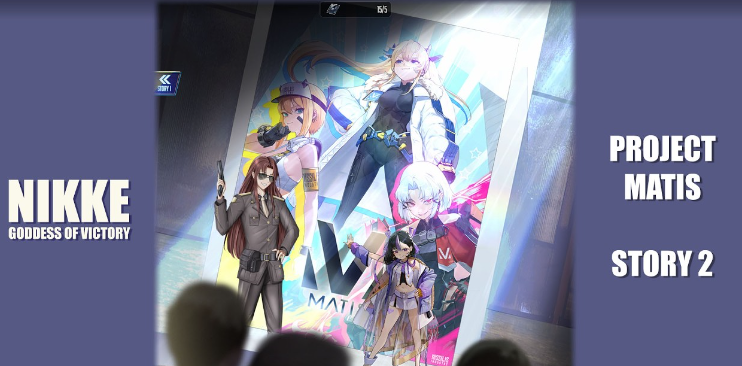
Audit Story II Unlocks Before Farming
The most common waste is farming an old stage while a new first-clear route is available. Story II should be checked before the daily stamina or event-entry budget is committed.
Open PROJECT MATIS and confirm that Story II appears on the intended account after the July 30 opening. Read any lock message for prerequisite Story I completion or account progression. Use the live event page as the final reference because server rollover, account eligibility, and regional scheduling can change what is visible at a given moment.
Review every newly available stage, first-clear reward, and mission attached to Story II. First-clear value should normally be collected before repeat farming. This check takes less than a minute and prevents a much more expensive mistake later in the session.
Check the event entry resource and its regeneration or purchase rules. Do not spend premium currency for extra entries until the free route is understood. Record the result before moving on so the next decision is based on the account in front of you, not on a screenshot from another region.
Record the event end, shop end, and any separate challenge opening date. These timers may not close at the same moment. The practical goal is consistency: confirm the condition, complete the action, and verify the reward or account change before spending more resources.
A five-minute unlock audit establishes the event calendar and prevents the daily resource from being spent on content that no longer has priority.
Clear New Story Stages in a Safe Order
Story progression should be cleared from the earliest new node forward, with rewards collected between blocks. This makes hidden prerequisites and mission triggers visible as soon as possible.
Start with the first unlocked Story II stage and continue in displayed order. Avoid jumping to a repeat node before all accessible first clears are complete. This check takes less than a minute and prevents a much more expensive mistake later in the session.
After several stages, return to the event mission page and collect newly completed objectives. Some rewards do not enter the account automatically. Record the result before moving on so the next decision is based on the account in front of you, not on a screenshot from another region.
If combat power becomes a problem, use cover, burst timing, target priority, and manual control before spending broad upgrade resources. A tactical correction may solve the stage at lower cost. The practical goal is consistency: confirm the condition, complete the action, and verify the reward or account change before spending more resources.
Read story scenes or use the game’s supported review function later rather than abandoning progress because of limited session time. Protect both narrative access and the event deadline. Use the live event page as the final reference because server rollover, account eligibility, and regional scheduling can change what is visible at a given moment.
The target is complete first-clear coverage, not the fastest possible button sequence. Each claimed stage increases the currency and resource options for the rest of the event.
Build a Daily Event Loop
After Story II first clears, efficiency comes from a short routine that uses free entries, completes missions, and converts currency without allowing caps to overflow.
Log in, collect event entry resources, and check whether the account is near a cap. Use naturally regenerating resources before they stop accumulating. Record the result before moving on so the next decision is based on the account in front of you, not on a screenshot from another region.
Select the best unlocked repeat stage according to the live reward preview. Do not assume the newest node is automatically best for every material. The practical goal is consistency: confirm the condition, complete the action, and verify the reward or account change before spending more resources.
Complete daily event missions alongside ordinary daily tasks when objectives overlap. One battle should satisfy multiple requirements whenever possible. Use the live event page as the final reference because server rollover, account eligibility, and regional scheduling can change what is visible at a given moment.
Visit the event shop after the farming block and update the remaining target list. Frequent review prevents overspending after a priority item is finished. This check takes less than a minute and prevents a much more expensive mistake later in the session.
A repeatable daily loop should be short enough to maintain through the event. An ambitious route that causes missed days is less efficient than a modest routine completed consistently.
Prioritize the Event Shop by Account Need
There is no universal shop order because a new account, a developed account, and a collector have different bottlenecks. The correct ladder starts with limited and progression-critical value.
Identify unique event items, recruitment resources, and materials with strict acquisition limits. Place time-limited account value above easily farmed currency. The practical goal is consistency: confirm the condition, complete the action, and verify the reward or account change before spending more resources.
For developing accounts, prioritize resources that unlock immediate level, skill, or equipment breakpoints. A usable team can earn more rewards before the event ends. Use the live event page as the final reference because server rollover, account eligibility, and regional scheduling can change what is visible at a given moment.
For established accounts, compare core dust, skill materials, manufacturer needs, and planned character builds. Buy for a named build rather than a vague future possibility. This check takes less than a minute and prevents a much more expensive mistake later in the session.
Leave repeatable low-value currency and convenience items until the main list is secured. Do not clear the shop in visual order. Record the result before moving on so the next decision is based on the account in front of you, not on a screenshot from another region.
Before each purchase, answer what this item enables and whether a rarer item will become unaffordable afterward. That one question prevents most shop regret.
Prepare for Challenge and Late Event Content
Story II is not always the final activity layer. Challenge stages or later unlocks can demand different teams and may provide additional rewards on their own schedule.
Check the event calendar for challenge opening and stage-release cadence. Create reminders for each newly available block. Use the live event page as the final reference because server rollover, account eligibility, and regional scheduling can change what is visible at a given moment.
Keep at least one stable boss team and one wave-clearing team ready rather than overbuilding a single formation. Different stage goals reward different damage patterns. This check takes less than a minute and prevents a much more expensive mistake later in the session.
Preserve upgrade materials until the live enemy and requirement show a real need. Preemptive broad leveling can drain the event rewards immediately. Record the result before moving on so the next decision is based on the account in front of you, not on a screenshot from another region.
If ranking is not required for a reward, stop at the account’s practical completion point. Do not confuse competitive prestige with mandatory event progress. The practical goal is consistency: confirm the condition, complete the action, and verify the reward or account change before spending more resources.
Preparation should preserve options. The live challenge tells the player what must be fixed; predictions should not consume the resources before that evidence exists.
Run a Final Reward Audit
The end-of-event audit protects all work completed during Story I, Story II, repeat farming, missions, and shop purchases. It should happen several days before the final deadline.
Confirm all story nodes, first-clear rewards, mission tabs, and challenge milestones that the account intended to finish. Open each tab once instead of trusting a single completion percentage. This check takes less than a minute and prevents a much more expensive mistake later in the session.
Spend remaining event currency according to the final priority list. Keep only currency that the game explicitly converts after closure. Record the result before moving on so the next decision is based on the account in front of you, not on a screenshot from another region.
Claim all event mail and inspect expiration timers. Mailbox ownership is not permanent if the mail itself expires. The practical goal is consistency: confirm the condition, complete the action, and verify the reward or account change before spending more resources.
Take a final inventory note for recruitment resources, unique items, and major materials. This proves the event result and guides the next build plan. Use the live event page as the final reference because server rollover, account eligibility, and regional scheduling can change what is visible at a given moment.
PROJECT MATIS is complete when the account has converted progress into owned rewards. An empty task list with unclaimed buttons is not completion.
Use a Three-Day Late-Start Plan
A player beginning near the end can divide the work into three focused days. On day one, unlock Story II, clear every accessible first-time stage, and collect all completed missions. On day two, use free event entries on the best repeat node and purchase the unique or progression-critical shop targets. On day three, finish realistic challenge milestones, spend remaining currency, and audit every tab.
This plan should be compressed only when the live countdown requires it. Do not buy extra entries before calculating how much currency the free route can still produce. Likewise, do not spend universal upgrade materials on several teams when one focused correction can clear the necessary stage.
The late-start goal is not visual completion of every page. It is ownership of the highest-value limited rewards, a finished story route where practical, and no currency or claim button left behind by accident.
Spending Without Breaking the Plan
Free rewards, existing currency, and the account's real needs should be checked before any purchase. Players who have already made a deliberate budget can review supported options through Topuplist and the dedicated GODDESS OF VICTORY: NIKKE top-up page. Verify the account identifier, server, region, product, currency, and checkout total before paying. Purchasing currency does not complete event tasks, change eligibility, or guarantee a random outcome.
Set a hard ceiling before opening the payment page. A useful budget names the exact target, the maximum amount, the stop condition, and the content that must remain funded afterward. If any of those four parts is missing, wait until the live client provides enough information to decide.
Frequently Asked Questions
When did PROJECT MATIS Story II open?
Story II opened on July 30, 2026. Confirm the exact availability, prerequisite, and event countdown on the live PROJECT MATIS page.
Should I farm before clearing Story II?
Complete accessible first-clear stages and collect their rewards first. Then compare the live repeat-stage rewards and choose the best node for the account’s shop plan.
What should I buy first in the event shop?
Prioritize unique or strictly limited rewards, then recruitment and progression resources that solve a current bottleneck. Exact order depends on the account and the live shop stock.
Where can I make a planned purchase for GODDESS OF VICTORY: NIKKE?
Players who have already decided to spend can review supported services on Topuplist and use the dedicated GODDESS OF VICTORY: NIKKE top-up page. Confirm the account, server, region, product, currency, and final total before payment; a top-up never replaces event participation or guarantees a random result.
Final Checklist
Confirm Story II is unlocked after July 30.
Record event, shop, and challenge deadlines separately.
Clear every accessible first-clear stage before repeat farming.
Claim mission rewards between story blocks.
Use free entry resources before they cap.
Buy unique and progression-critical shop items first.
Prepare distinct boss and wave-clearing teams for later stages.
Audit every tab and spend remaining currency before closure.