


Honkai: Star Rail 4.5 Combat Type Ranking: Why Quantum Takes the Top Spot
After three years of Honkai: Star Rail, every Combat Type has experienced a rise, a decline and at least one major comeback. Some anniversary damage dealers have remained relevant for several cycles, while others dominated only the content designed around them. Supports have aged differently too: a few continue to define teams long after release, while others struggle whenever their original carry loses ground. In Version 4.5, the fairest comparison is therefore not “which element has the single biggest number,” but which Combat Type owns the strongest complete roster. Players planning future pulls can save Stellar Jade around the teams they actually use; those who choose to obtain Oneiric Shards can also use Topuplist and its Honkai: Star Rail top-up page.
 Honkai: Star Rail
This list weighs five things together: top-end damage, quality of supports and sustains, number of viable archetypes, low-investment performance, and the ability to stay useful when Memory of Chaos, Pure Fiction or Apocalyptic Shadow changes its rules. It is an opinion-based snapshot rather than an official tier list. Weakness layouts and seasonal buffs can still make the seventh-ranked type better than the first for a particular stage.
Rank | Combat Type | Main reason |
|---|---|---|
1 | Quantum | Elite new units, valuable upgrades and unusually deep role coverage |
2 | Fire | Two heavily supported archetypes and strong specialist units |
3 | Physical | Top characters spread across carry, support, DoT and sustain roles |
4 | Ice | Excellent long-term value and several era-defining Version 3.x units |
5 | Imaginary | Balanced roster with strong sustain, but fewer leading damage dealers |
6 | Wind | Outstanding supports and sustains carry an uneven DPS lineup |
7 | Lightning | Several useful teams, but no single unit currently dictates the meta |
7. Lightning
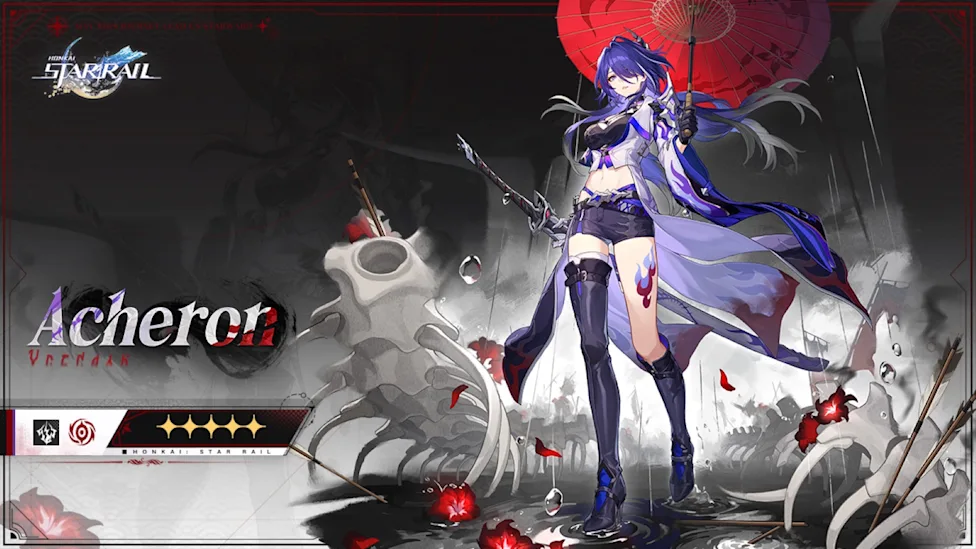
Lightning has famous names, but fame and present-day dominance are no longer the same thing. Acheron defined a major part of the Version 2.x era, Kafka remains the face of DoT, and Ashveil gives Lightning a modern follow-up option. Together they keep debuff, follow-up and DoT compositions relevant rather than allowing the type to disappear from endgame play.
The type also has unusually respectable four-star value. Tingyun remains one of the most influential launch-era supports, while Moze can still contribute efficient follow-up damage in the correct lineup. The Elation Trailblazer further expands Lightning's access to the current version's featured playstyle. This is not a weak roster in isolation.
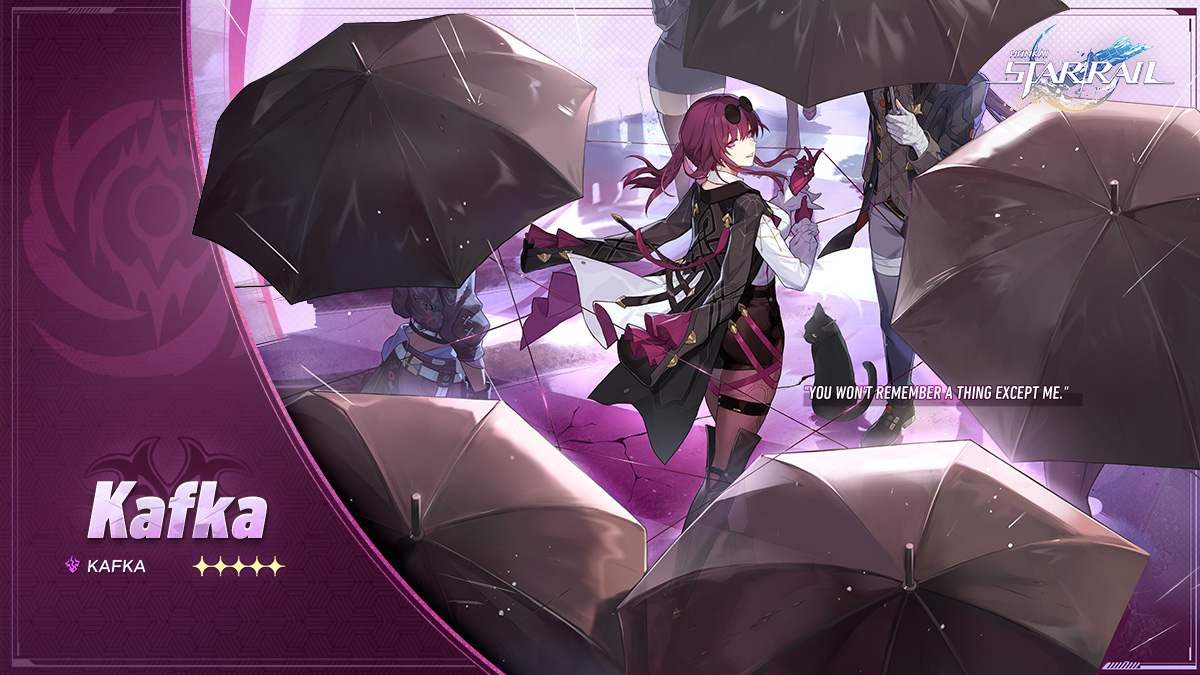
Lightning finishes last because the other six types currently have either a more dominant flagship team or greater role depth. Acheron and Kafka need carefully matched teammates to reach their best modern results, while Ashveil competes against stronger account-wide investments. Lightning can clear demanding stages, but it rarely makes the stage feel designed around its existence.
6. Wind
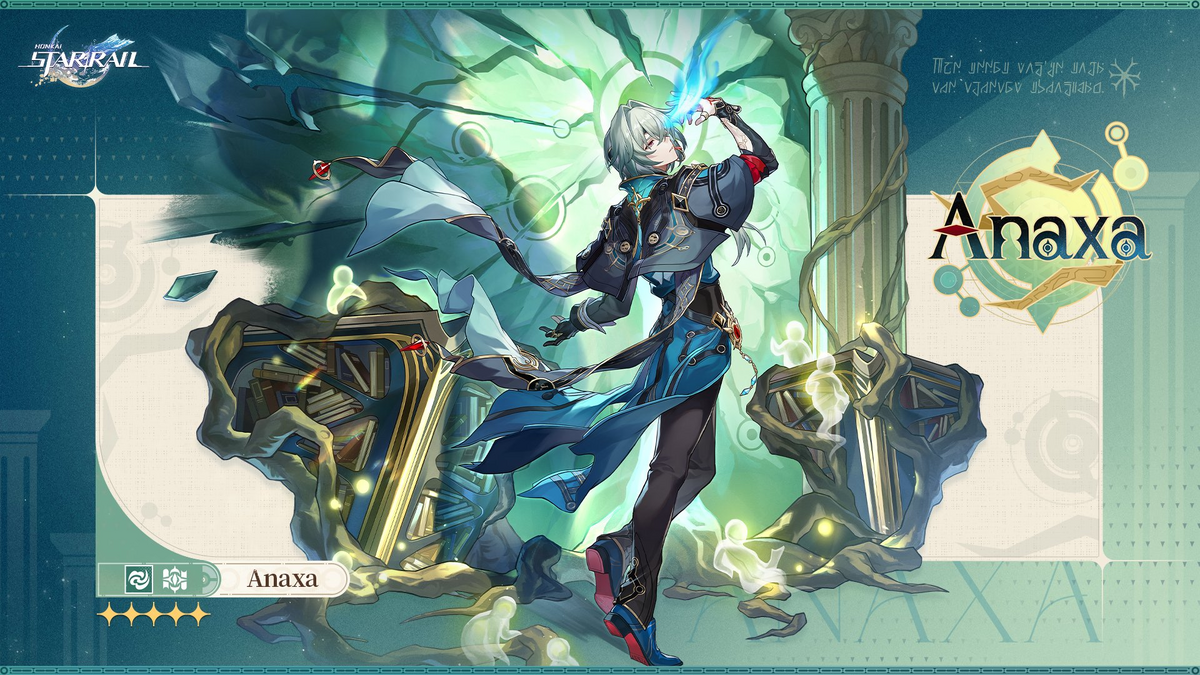
Wind has a long history of producing accessible damage dealers. Blade, Black Swan and Anaxa each offered a practical route through the endgame during their strongest periods. They reward different account structures: Blade values HP-oriented support, Black Swan anchors DoT, and Anaxa brings a more modern damage profile. With the right partners, each can still handle content well beyond ordinary farming.
The real strength of Wind, however, sits in its utility roster. Hyacine is one of the strongest current sustain choices, Huohuo remains exceptional for energy-hungry carries and Elation teams, and Robin • Summeretto brings premier offensive support to the Version 4.5 environment. Cerydra also gives Skill-focused carries a specialized amplifier. Few types can place this many valuable enablers on the same page.
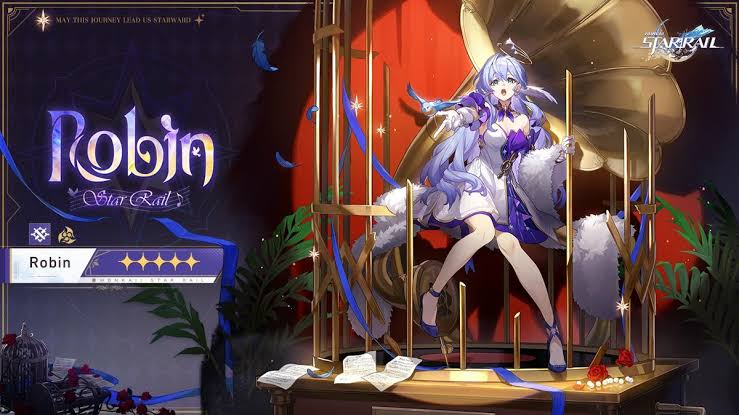
Wind ranks sixth because its supports are more impressive than its overall damage lineup. Black Swan depends on DoT's wider condition, Blade needs substantial help to compete with newer carries, and Anaxa no longer owns an uncontested field. The type is excellent to have on an account, yet much of that value comes from characters who empower teams rather than from a complete Wind-centered ecosystem.
5. Imaginary
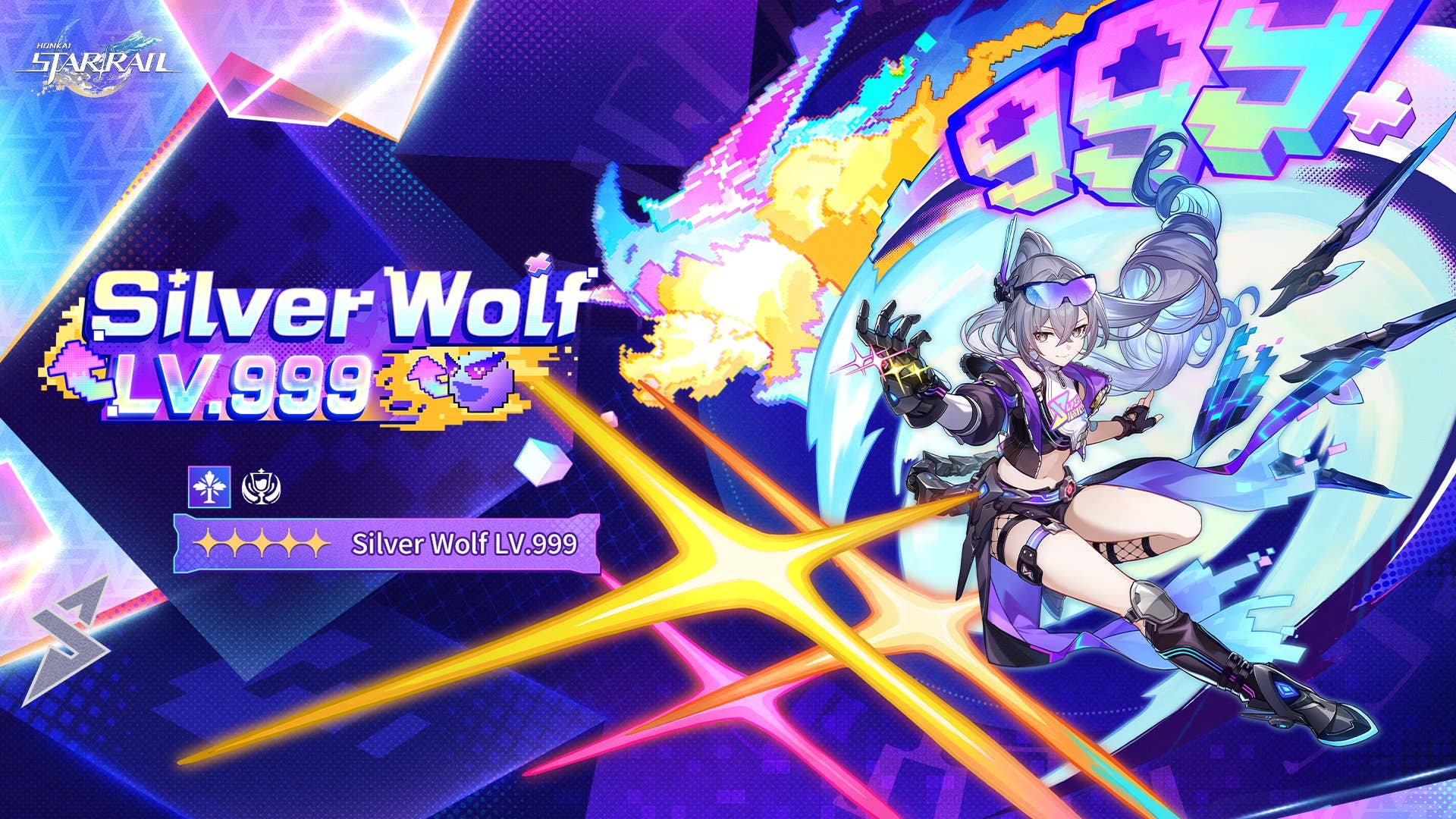
Imaginary remains one of the most balanced types in the game. Its modern Silver Wolf form gives it a relevant headline unit, but the competition among Version 4.x carries prevents any one Imaginary attacker from running away with the meta. Mydei, Rappa and Imbibitor Lunae can still work, although their damage or resource requirements are less forgiving than those of the newest teams.
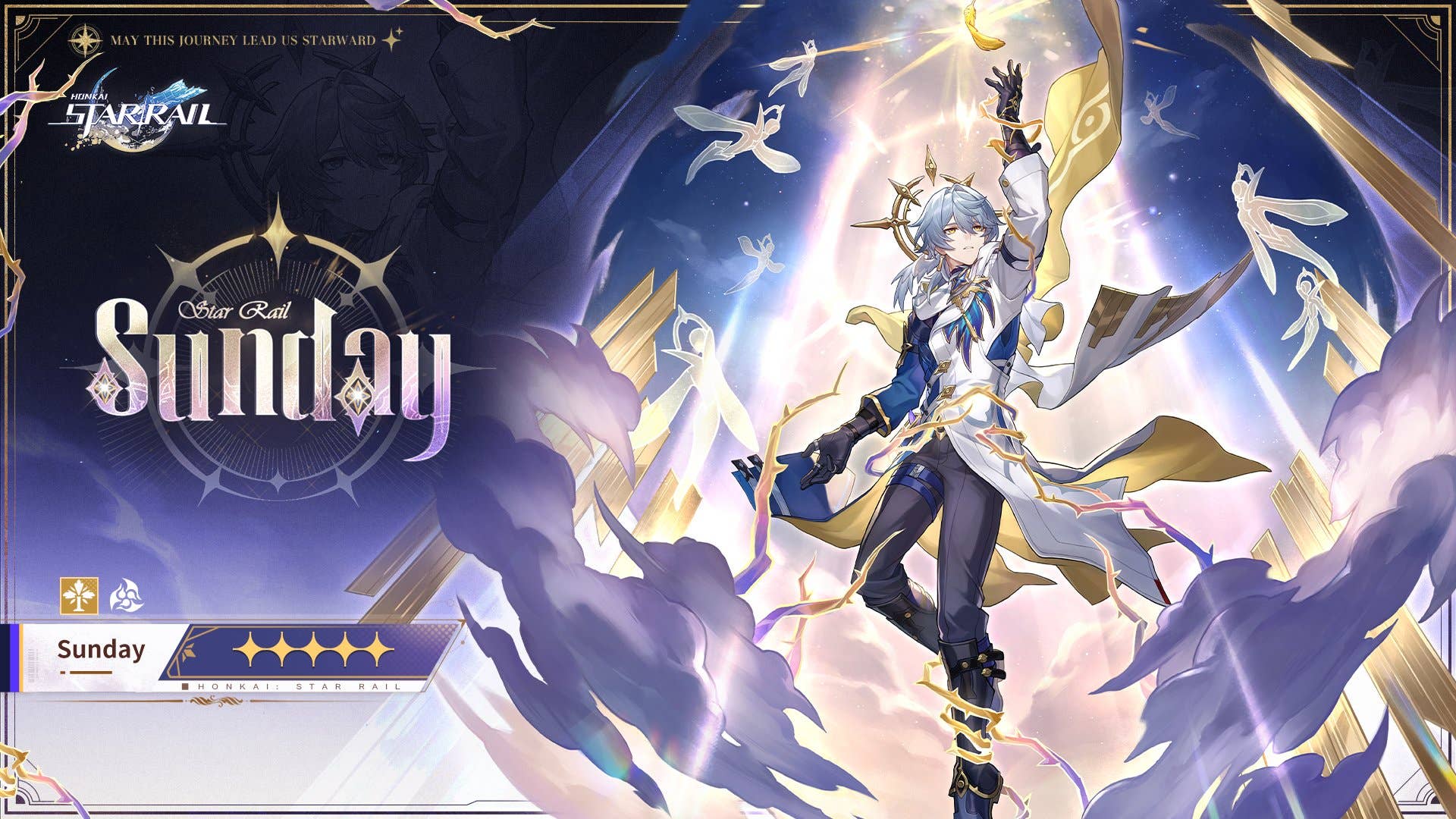
Sunday carries much of the type's support prestige. His action and summon-oriented value allows several lineups to function at a much higher level. Dr. Ratio also deserves credit for remaining a remarkably useful free-era investment, especially for accounts that built follow-up pieces around him rather than abandoning the archetype.
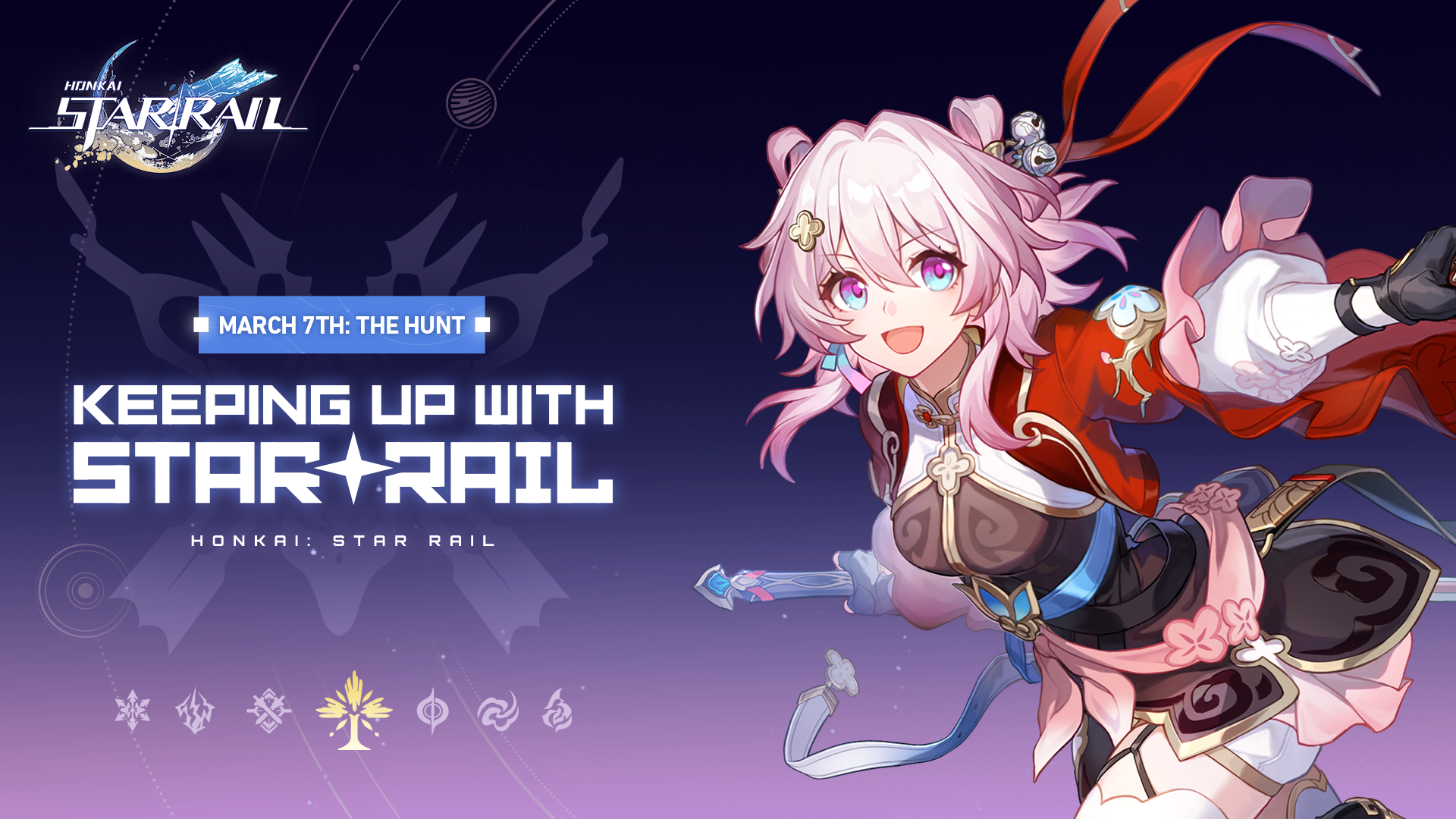
The sustain side is dependable. Aventurine remains a powerful shield option, while Luocha's automatic healing still makes difficult encounters comfortable. March 7th's Hunt form and Yukong can also reduce premium-unit requirements in selected teams. Imaginary does not have a glaring role shortage; it simply lacks enough present-day category leaders to break into the top four.
4. Ice
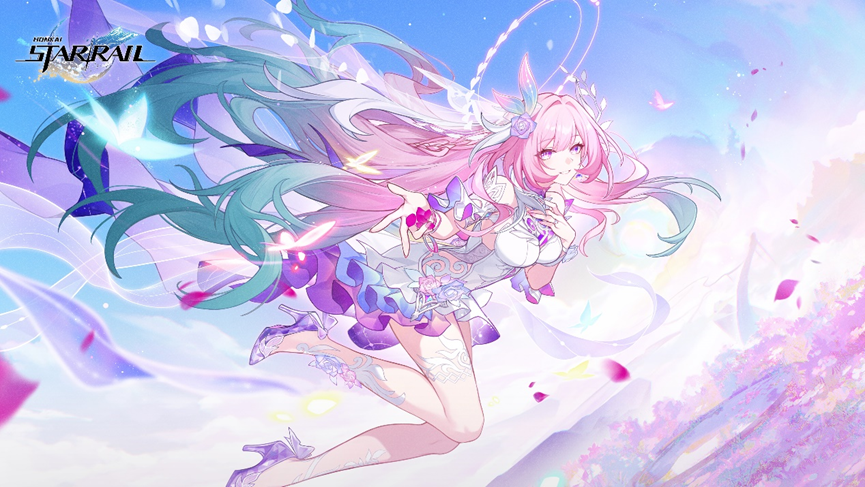
The competition becomes much tighter from Ice onward. The Herta, Remembrance Trailblazer, Evernight and Cyrene gave Ice enormous influence throughout Version 3.x. At its height, the type did not merely answer Ice-weak stages; its strongest teams pushed through broad endgame lineups through raw synergy and favorable mechanics.
Cyrene-centered compositions controlled a large stretch of content from late Version 3.x into the early 4.x cycle and remain viable in Version 4.5. The Remembrance Trailblazer is still one of the game's best free support investments. That matters enormously in an account-level ranking because a powerful no-cost unit raises the floor for every player rather than only improving premium rosters.
Ice also owns two of the game's most durable supports. Ruan Mei has stayed relevant since Version 1.6 because speed, efficiency and broadly useful amplification age better than narrow damage gimmicks. Pela remains a four-star benchmark for affordable DEF reduction. Ice takes fourth because its best era has begun to pass, but few types can match the long-term value of its limited characters.
3. Physical
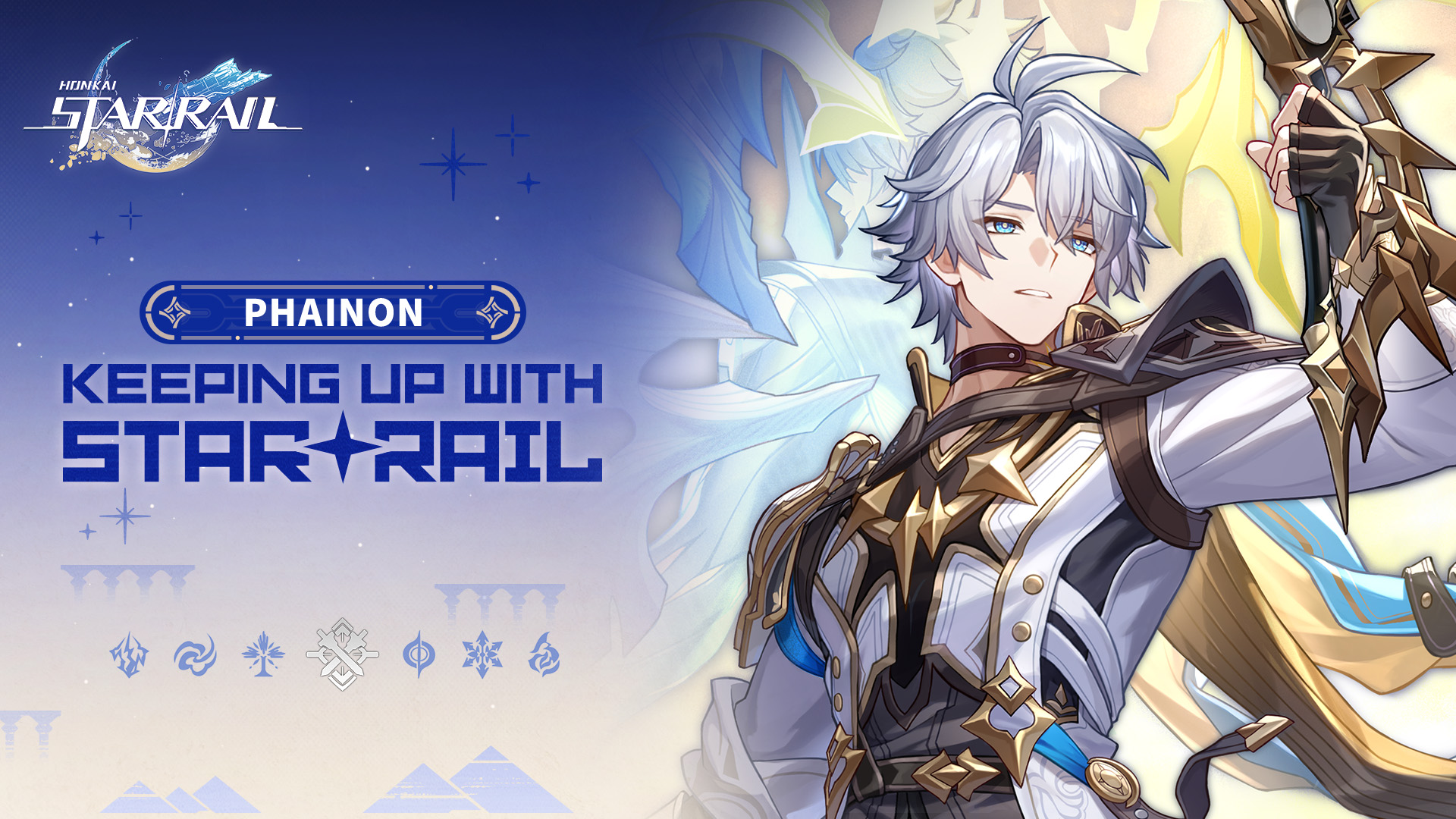
Physical has quality almost everywhere. Phainon benefits naturally whenever a new support improves hypercarry structures, giving him a long runway even after his original release environment. Feiying and Yaoguang support low-investment Elation teams, while Hysilens provides the DoT archetype with the kind of core piece it had been waiting for.
Robin's original form remains one of the most influential examples of Physical support value. Even as the roster evolves, her teamwide action and offensive contribution continue to shape follow-up and multi-damage-dealer teams. Physical therefore does not depend on a single mechanic or one cycle of enemies.
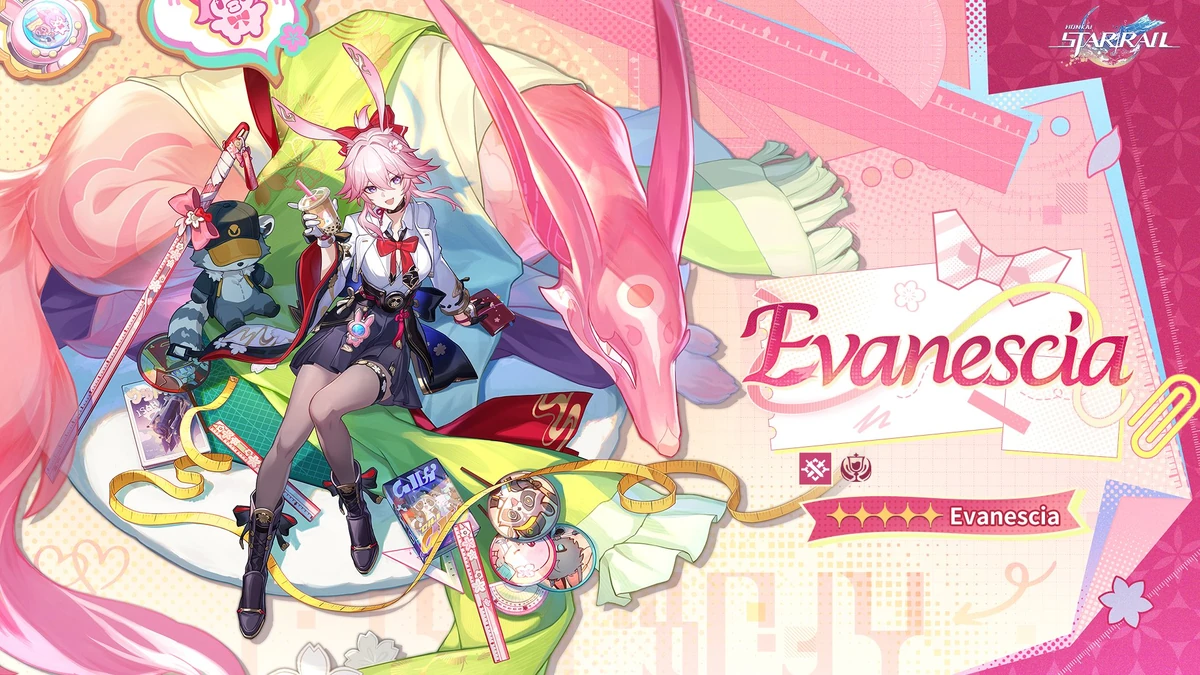
Dan Heng • Permansor Terra completes the picture from the sustain side. As a powerful Preservation option with excellent value for ATK-scaling carries, he gives Physical a top representative in another critical role. More importantly, his free availability makes that strength widely accessible. Physical places third because its premium characters are spread across multiple archetypes instead of crowding into one fragile team.
2. Fire
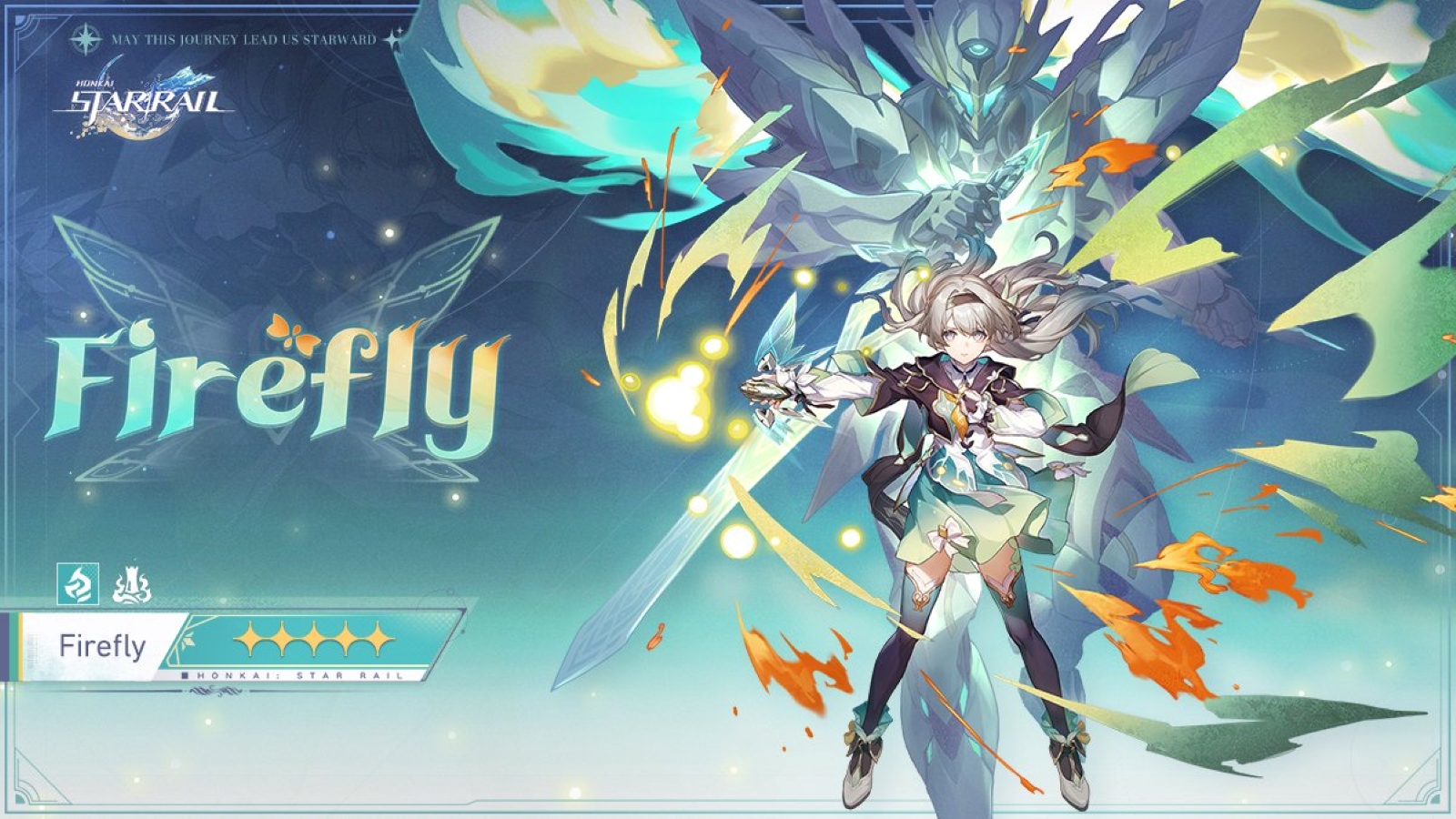
Fire is the only type in Version 4.5 that can point to two heavily promoted modern directions at once. Its strongest characters benefit from dedicated mechanics, tailored stages and teammates designed to keep their engines running. At medium and high investment, Firefly's Break team has survived repeated changes and remains both popular and powerful across more than one major era.
Fire also has strong role players. Gallagher is still one of the best four-star sustains, especially when Break or frequent attacks matter. The latest Blade form gives Fire a premium Nihility presence, while Sparxie functions as an important secondary damage option in Silver Wolf teams. This combination gives Fire far more than one famous carry.
The weakness is concentrated among older Version 1.x units. Several early Fire attackers and supports now struggle to justify a team slot because modern kits compress more damage, utility and survival into each character. Fire's top half is excellent, but its lower half shows the age of the game more clearly than Quantum's. That narrow difference keeps it in second.
1. Quantum
Quantum spent much of Version 2.x represented by an increasingly fragile mono-Quantum concept and Jade's limited role as an Erudition sub-DPS. Versions 3.x and 4.x changed the picture dramatically. A wave of premium releases arrived while several older Quantum characters received meaningful ways to return, creating the deepest high-end roster in Version 4.5.
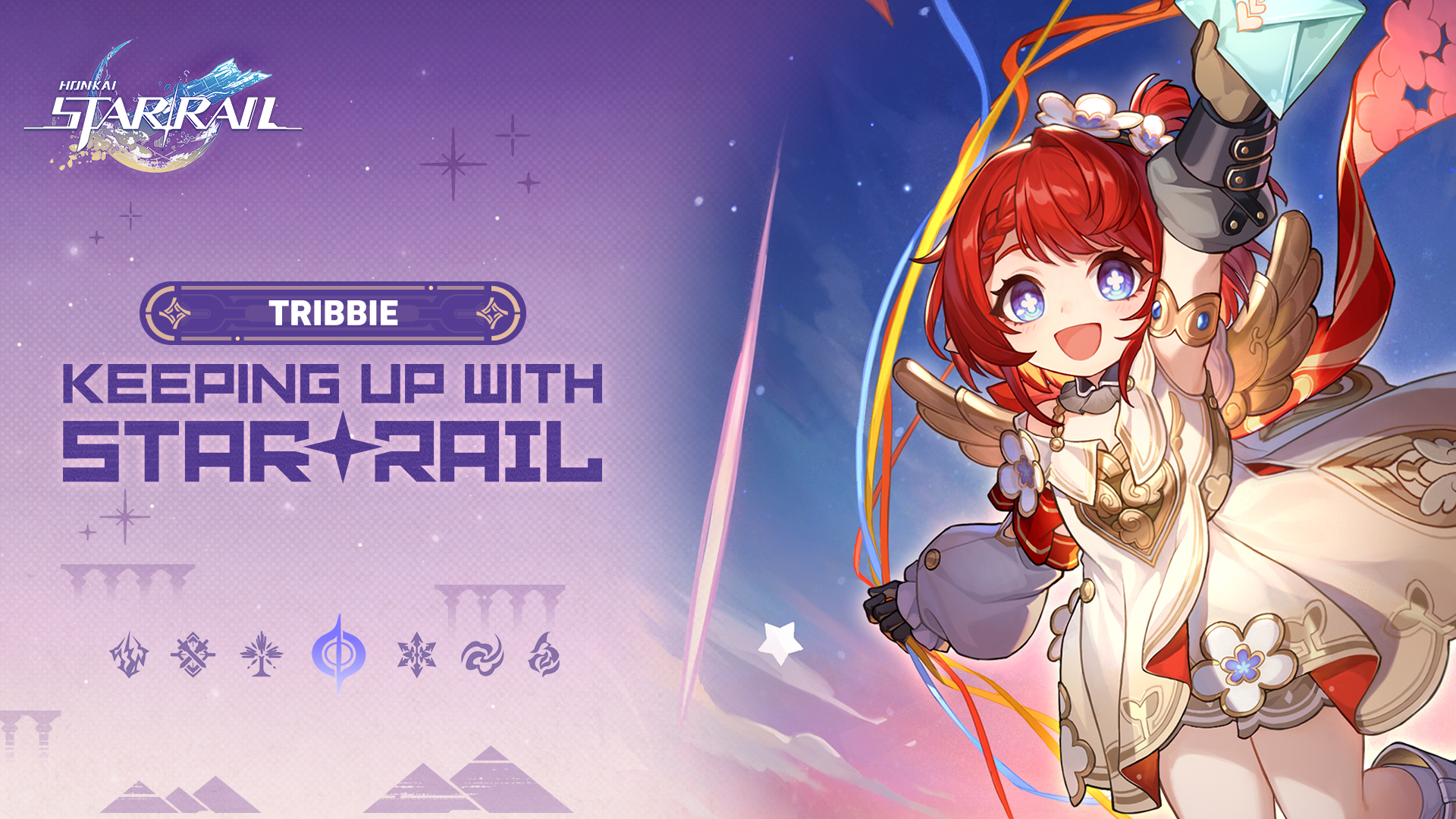
Tribbie remains an elite Harmony unit, while Castorice represents one of the strongest carries from a version-defining archetype. Archer adds exceptional value through a generously accessible base character, Eidolon and Light Cone package. Those three alone give Quantum support, premium carry power and a low-cost route into serious damage.
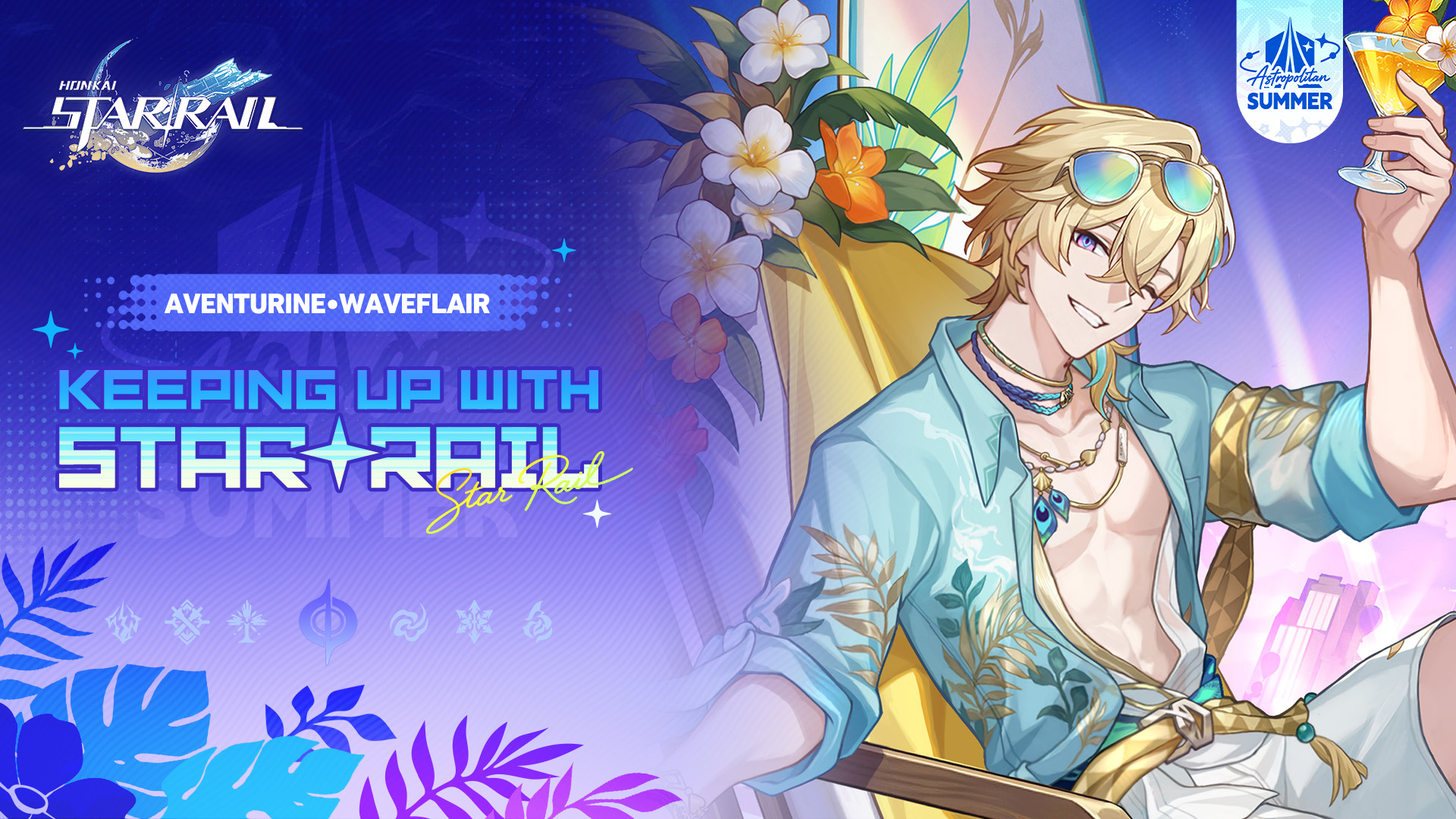
The type's veterans also matter again. Seele, Sparkle and Silver Wolf have gained new contexts instead of remaining museum pieces from earlier eras. Aventurine • Waveflair is the next major addition, giving the type another current character tied directly to the Elation direction. Quantum's strength is therefore not just one overpowered team; it is the concentration of relevant old and new characters across several roles.
That is why Quantum takes first place without much controversy in this particular framework. Fire may produce a more convincing single-type team at certain investment levels, and Ice or Physical may win individual stages, but Quantum has the best combination of ceiling, flexibility, current support and future momentum. Another type would need either a truly transformative release or a broad round of upgrades to displace it.
What This Ranking Means for Your Account
A Combat Type ranking should never replace roster planning. Weakness matching still matters, and a complete Lightning team is more useful than half of a premium Quantum team. The practical takeaway is to identify which archetype is already closest to completion. One missing support or sustain often produces more value than starting a new type from zero.
Quantum and Fire are attractive long-term targets because their best teams have both power and depth. Physical and Ice offer dependable value across roles. Imaginary and Wind remain excellent sources of account-wide supports, even if their damage rosters rank lower here. Lightning owners should not abandon Acheron, Kafka or Ashveil; they should be more selective about upgrades and wait for pieces that directly improve an existing core.
Version buffs can rearrange this order quickly. A new support can revive several carries at once, while an enemy mechanic can temporarily suppress a previously dominant team. Treat the list as a snapshot of Version 4.5 roster strength, not a permanent law. The healthiest account still owns multiple complete teams rather than every character from the current number-one type.
FAQ
What is the strongest Combat Type in Honkai: Star Rail Version 4.5?
Quantum ranks first in this assessment because it combines elite modern carries, premium supports, improved veterans and broad role coverage. The answer can still change for a stage with a different weakness layout.
Why is Lightning ranked last?
Lightning has strong characters such as Acheron, Kafka and Ashveil, but its leading teams currently require more specific support and do not dominate the overall meta as clearly as the best Quantum, Fire or Physical lineups.
Is Fire stronger than Quantum in mono-type teams?
Fire has a strong case when judging only dedicated same-type or heavily Fire-centered teams. Quantum ranks higher here because the comparison also includes support depth, upgraded older units, low-investment value and flexibility across archetypes.
Should players pull only Quantum characters?
No. Building a complete team around an existing carry is usually more efficient than collecting one Combat Type. Endgame modes reward multiple teams and different weakness coverage.
Will this ranking remain accurate after Version 4.5?
Not necessarily. New characters, upgrades, enemy mechanics and seasonal buffs can change the relative value of every type. This is specifically a Version 4.5 snapshot.
Where can players prepare Oneiric Shards for future banners?
Players who choose to supplement their saved Stellar Jade can use Topuplist and its Honkai: Star Rail recharge page. Spending is optional, so complete teams and confirmed banner information should guide the decision.